
.png)




.webp)
Staying organized during a long NP clinical shift requires structured preparation, clear prioritization during patient care, and intentional energy management across the week. Nurse practitioner students who use repeatable systems for documentation, task management, and communication reduce mental load, protect patient safety, and prevent burnout during extended clinical hours.
TL;DR - How to Stay Organized During A Long NP Clinical Shift
- Preparation determines performance. Reviewing your schedule, building a structured to do list, and protecting sleep before your shift strengthens time management and reduces mental load.
- Work in repeatable systems during the shift. Prioritize patient safety, move through clinical mini-cycles, and contain documentation throughout the day to prevent backlog.
- Recalibrate when you fall behind. Re-establish priorities, communicate early, and close small task loops to regain structure without escalating stress.
- Protect your energy across the week. Long hours, coursework, and family responsibilities compound fatigue. Recovery and boundary setting are essential for preventing burnout.
- Secure your next rotation early. Creating a free NPHub account allows you to explore vetted preceptors and organize upcoming clinical placements so your focus stays on patient care instead of last-minute searching.
The Mental Load Behind Every Long NP Clinical Shift
A long NP clinical shift requires sustained concentration for hours at a time.
You are evaluating a patient’s condition, reviewing patient vitals, interpreting diagnostic tests, contributing to treatment plans, updating care plans, and documenting thoroughly in the electronic health record you use.
You are coordinating with physicians and other health care professionals while protecting patient safety. Every decision carries weight.
This level of continuous clinical thinking builds cognitive fatigue gradually and as the shift progresses, many nurse practitioner students notice:
- Clinical documentation takes longer to complete
- Important tasks feel harder to prioritize
- Chart review in the electronic health record requires more rechecking
- Energy decreases during later hours
- Stress increases when additional patients are added
These patterns are common during clinical experiences, especially during extended hours in hospitals or an inpatient setting.
Most students are also balancing school deadlines, work as registered nurses, family responsibilities, and preparation for licensure requirements set by state boards. Sleep may be limited.
Free time may be reduced. Mental health and overall well being can feel stretched.
Under these conditions, organization becomes essential and a clear structure during a shift supports:
- Patient safety in high risk situations
- Accurate and efficient clinical documentation
- Stronger treatment plans and care plans
- The ability to accomplish tasks within scheduled hours
- Steadier confidence as a developing nurse practitioner
Long shifts demand both knowledge and structure. Building both takes time and repetition and organization during a long NP clinical shift starts with how you plan your schedule, protect your energy, and clarify expectations in advance.
When those pieces are in place, patient care feels more manageable and clinical documentation becomes more efficient. That preparation is where we turn next.
Before the Shift: Set Yourself Up to Think Clearly
Organization during a long NP clinical shift begins even before you assess the first patient.
What you do the night before and the morning of your shift directly affects your ability to focus, complete clinical documentation efficiently, and protect patient safety during long hours. Strong time management skills are built through preparation and repetition.
Preparation does not need to be complicated. It needs to be intentional.
Review the Schedule With Purpose
If you have access to your schedule in advance, take a few minutes to review it with clinical focus.
You are not trying to predict every outcome. You are orienting yourself so the shift does not begin in reaction mode. Pay attention to:
- The number of patients assigned
- Any high risk patients
- Follow-ups that may require reviewing prior diagnostic tests
- Preventive care visits versus complex treatment plans
This simple review helps you determine where your attention will likely be required. When your brain has already scanned the landscape, it processes information more efficiently once patient care begins. That early orientation reduces mental load and supports steadier time management throughout the day.
Build a Structured To Do List Before You Arrive
Walking into clinical without a written plan forces you to react all day. Creating a structured to do list ahead of time gives you a starting framework that supports focus.
Before your shift, outline:
- Important tasks you must complete during scheduled hours
- Documentation checkpoints in the electronic health record
- Reminders to follow up on labs or diagnostic tests
- Time blocks for reviewing care plans
You can set reminders on your phone if needed. The goal is not to control every minute. The goal is to reduce the number of decisions you must make under pressure.
Clear time management strategies before the shift allow you to spend less time deciding what to do next and more time concentrating on direct care and patient safety.
Protect Sleep, Physical Energy, and Mental Health
Preparation also includes protecting the resources that carry you through long hours. The night before a shift may involve:
- Prioritizing sleep
- Limiting unnecessary phone use
- Preparing meals in advance
- Setting out what you need so your morning is not rushed
These actions directly affect well being. When sleep is shortened repeatedly during the week, stress increases, focus declines, and emotional exhaustion becomes more likely.
For health care professionals, rest supports safe patient care, clearer clinical judgment, and sustained energy. Physical and mental preparation are part of professional responsibility.
Clarify Expectations Early
Uncertainty drains energy. Clarity preserves it. Before or at the beginning of a rotation, take initiative to understand what is expected of you. This removes guesswork during the shift.
Clarify:
- How many patients you are expected to see
- When you should present cases
- How your patient’s physician prefers communication
- What documentation standards are required
When expectations are defined, you can focus on developing your knowledge and refining your skill set instead of wondering whether you are meeting unspoken standards.
And this is where preparation extends beyond a single shift.
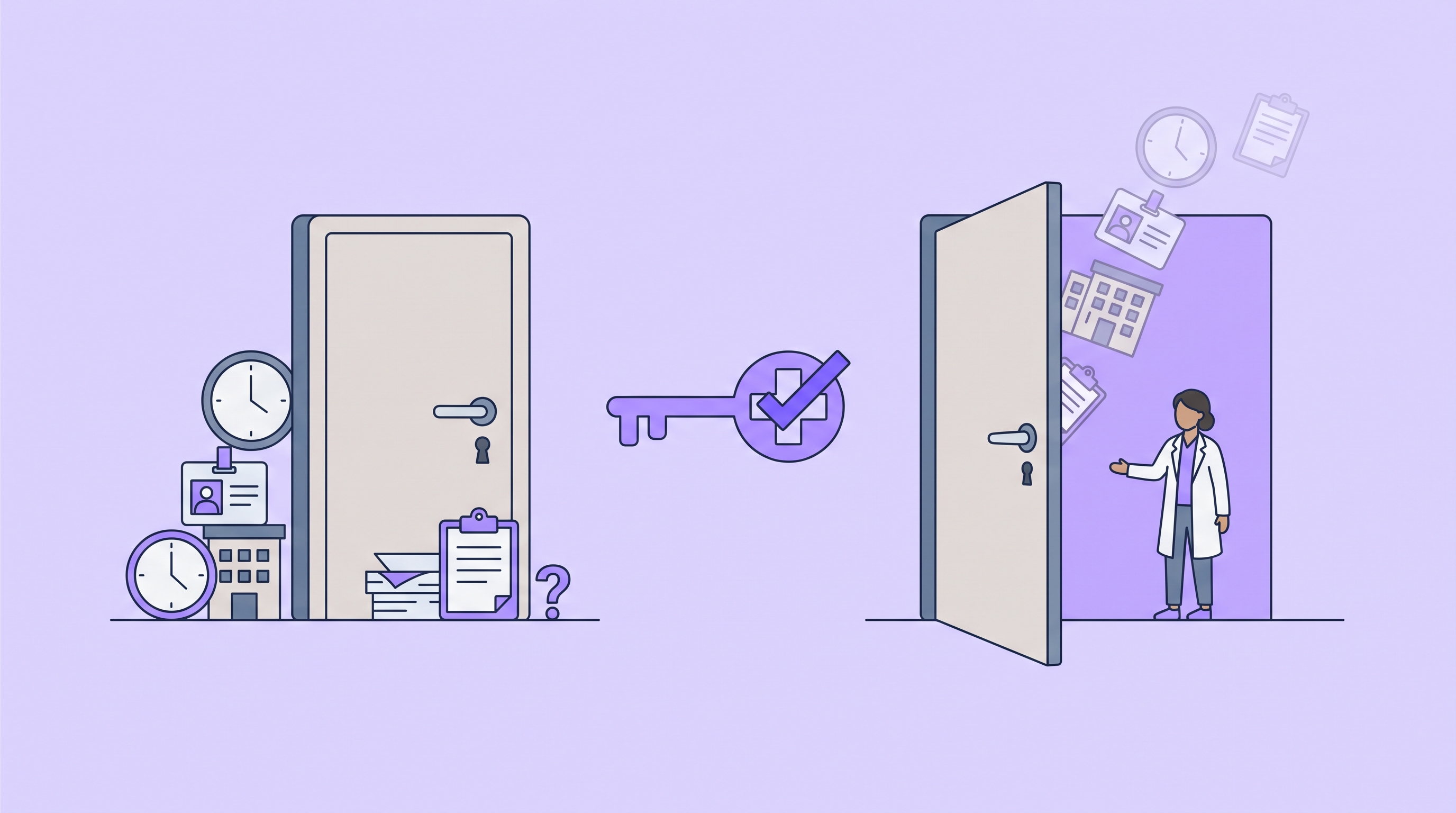
If you are entering rotations unsure whether your placement will meet program requirements, how you will complete required hours, or whether your schedule will remain stable, that uncertainty follows you into every clinical day.
One practical way to reduce that instability is to organize your placements early.
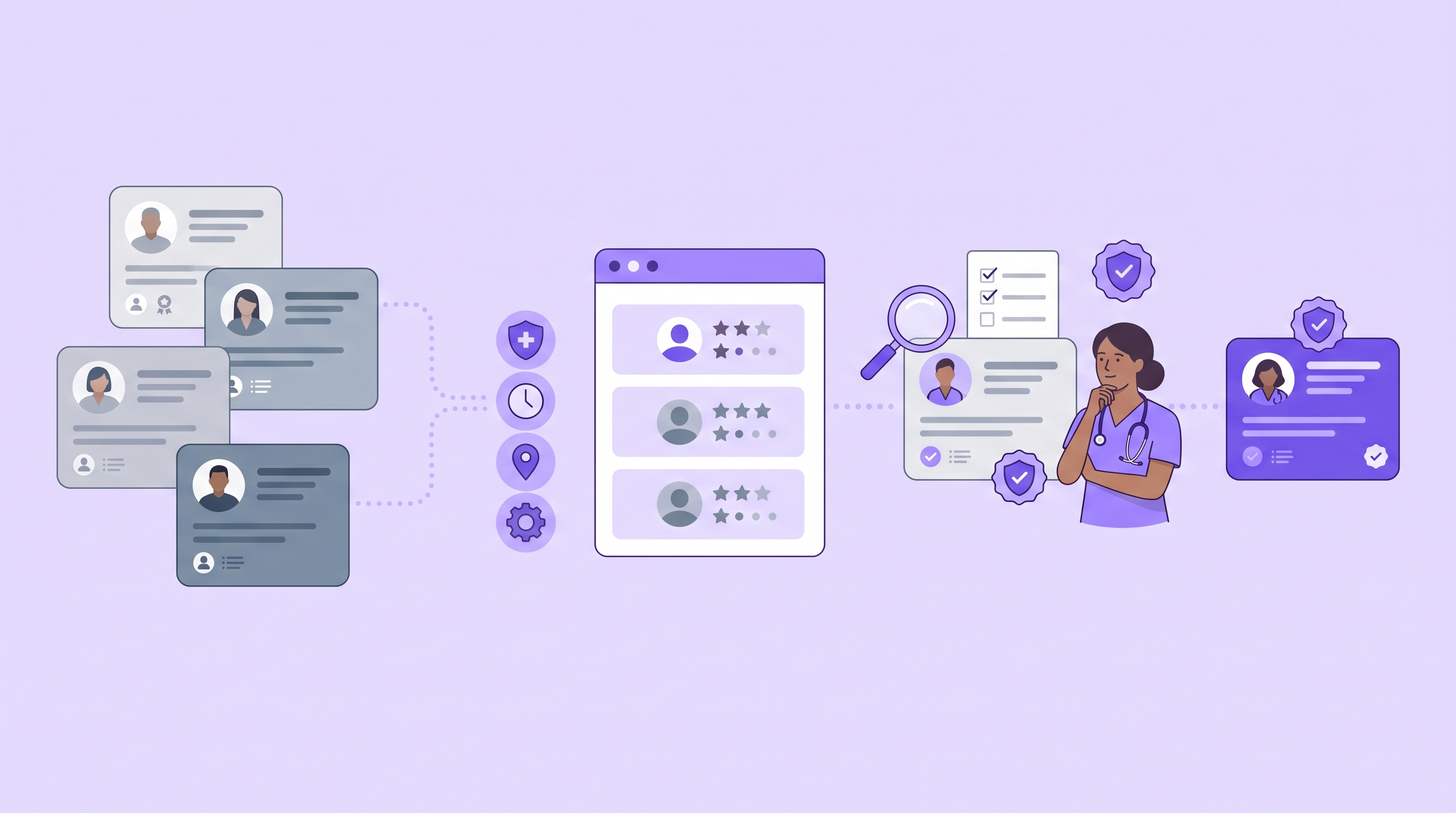
Creating a free NPHub account allows you to view vetted preceptors aligned with nurse practitioner programs, understand clinical settings before committing clarify timelines for completing required hours and access structured support for documentation and additional requirements
There is no obligation to move forward. Opening a free account gives you visibility so you can plan instead of react.
When placements are structured in advance, your energy during each shift can remain focused on patient care rather than logistics and that foundation makes it easier to stay organized once the shift is fully underway.
How to Stay Organized When the Pace Accelerates During your Shift
Preparation gives you a foundation, but the real challenge begins once the shift gains speed. Patient concerns evolve, schedules compress, a high risk result appears unexpectedly, and suddenly the plan you walked in with has to adjust in real time. T
Work in Clinical Mini-Cycles
Long shifts feel chaotic when too many tasks remain mentally open at once. Instead of carrying multiple unfinished loops in your head, move through patients in a consistent sequence that allows you to fully close one encounter before expanding into the next.
A repeatable rhythm might include:
- Reviewing the patient’s condition and recent updates
- Conducting your assessment and gathering focused information
- Stepping away briefly to synthesize findings
- Presenting and refining the treatment plan
- Completing documentation before fully transitioning
This pattern reduces mental load because it prevents accumulation. When each patient is processed through a structured flow, your attention stays steadier across long hours. Strong time management during a shift is less about moving faster and more about preventing cognitive clutter.
Use a Visible Priority Structure
At some point, everything will feel urgent. That is usually the moment organization slips. Instead of relying on memory, externalize your priorities so they are visible and structured.
Separate your tasks into:
- Immediate patient safety concerns
- Important tasks that must be completed before scheduled hours end
- Follow-ups that can be addressed once direct care is stabilized
Seeing the hierarchy changes how you respond. You are no longer reacting to what feels loudest; you are evaluating what truly requires action. That shift in control protects both patient safety and your own energy.
Chart in Anchors
Perfectionism often consumes more time than complexity. During long clinical shifts, documentation should prioritize clarity and clinical reasoning over length. Your notes should reflect thoughtful evaluation and safe decision-making without becoming unnecessarily exhaustive.
Focus your charting on:
- Pertinent findings
- Clinical reasoning
- Clear treatment plans
- Follow-up instructions
- Evidence based decisions
When documentation is structured around anchors rather than over-explanation, you protect time management and reduce the likelihood of revisiting charts later in the shift.
Get Micro-Resets During Long Hours
Sustained concentration requires brief recovery periods. Across extended hours in hospitals or other clinical settings, cognitive endurance declines without intentional pauses.
Build small resets into your day, such as:
- Stepping away for one minute between patients
- Taking water breaks
- Stretching briefly
- Taking three slow breaths before presenting a complex case
These resets stabilize mental health, protect well being, and reduce the risk of emotional exhaustion. Protecting your physical and mental energy directly supports safer patient care.
When the Pace Feels Unstable
There will be shifts where the plan collapses. An unexpected high risk case, delayed diagnostic tests, or a schedule that extends beyond anticipated hours can quickly strain time management.
In those moments, structured communication becomes essential. Clarify priorities with your preceptor. Confirm what must be completed before the shift ends. Determine which tasks can safely move forward without compromising patient safety. Clear communication prevents temporary delays from escalating into sustained stress.
Stability outside the clinic also influences stability inside it. When upcoming clinical experiences are uncertain, when required hours are not yet secured, or when administrative tasks spill into your free time each week, that pressure competes with your focus during patient care.
Planning rotations in advance reduces that background stress and a free NPHub account provides visibility into vetted preceptors, clearer timelines for completing required hours, and structured support for additional requirements, allowing you to organize your path forward so your attention during clinical shifts stays centered on learning, patient care, and building confidence.

When the broader structure of your program is stable, maintaining organization during long hours becomes significantly more manageable.
Next, we move into how to recover strategically when you fall behind during a shift — and how to reset without compounding stress.
When You Fall Behind (Because It Happens)
At some point during your NP clinical shift, you will fall behind. A patient takes longer than expected. A high risk finding requires additional evaluation. Documentation stacks up. The schedule compresses and your original plan no longer fits the pace of the day.
Falling behind is part of real clinical experiences. The difference between spiraling and stabilizing comes down to how you reset.
Step One: Re-Establish Priorities
When the shift starts slipping, your first job is to restore order. That does not mean working faster. It means deciding clearly.
Begin by identifying:
- Immediate patient safety concerns
- Important tasks that must be completed before scheduled hours end
- Items that can safely move forward without causing more harm
This quick sorting process protects both patients and your mental health. It prevents emotional urgency from dictating your time management and replaces it with structured decision-making.
Step Two: Communicate Early
Once priorities are clear, bring your preceptor into the recalibration process. Communication is not a sign that you are struggling; it is part of functioning as a health care professional.
Clarify:
- What must be completed before the shift ends
- Whether any treatment plans need adjustment
- Which patients require direct care immediately
- What can safely wait
Early clarification strengthens collaboration with other health care professionals and reduces avoidable stress. It also protects patient safety in situations where timing matters.
Step Three: Contain the Backlog
When tasks accumulate, they feel heavier than they are. The key is containment rather than perfection.
Focus on closing manageable pieces such as:
- Completing portions of documentation between patients
- Finalizing parts of care plans
- Reviewing diagnostic tests in short intervals
- Updating priority notes before moving on
Containment prevents unfinished tasks from multiplying. It stabilizes your energy across long hours and reduces emotional exhaustion at the end of the week.
Occasional disruption is expected. Repeated instability often reflects something beyond a single shift.
When required hours are compressed into fewer days, when rotations are secured late, or when schedules change week after week, strong time management inside the clinic becomes harder to sustain. External instability increases mental load before the shift even begins.
Organizing your clinical experiences in advance reduces that background pressure, and if you go ahead and create a free NPHub account you can see, compare and secure vetted preceptors in your area in order to plan rotations before deadlines narrow your options.
Sustaining Organization Across the Week Without Burning Out
Staying organized during one long NP clinical shift is a skill. Sustaining that organization across an entire week requires a different level of awareness.
Fatigue compounds. Mental load accumulates. School responsibilities continue. Family life does not pause. Without a weekly structure, even strong time management during individual shifts can erode.
The goal is not squeezing more productivity out of yourself. The goal is protecting energy so your clinical performance remains steady from Monday through the end of the week.
Most nurse practitioner students plan their week based on hours. Fewer evaluate their energy capacity. At the beginning of each week, assess:
- Total clinical hours scheduled
- School deadlines and assignments
- Work shifts if you are still practicing as registered nurses
- Family or personal commitments
- Protected sleep and recovery time
This evaluation helps you determine whether your schedule is sustainable or overloaded. Strong time management skills require realistic planning. When you overextend repeatedly, emotional exhaustion becomes predictable.
Protect One Non-Negotiable Recovery Block
Long clinical experiences demand recovery. Without intentional rest, focus declines and stress rises. Choose at least one block of time during the week that is protected for:
- Physical rest
- Mental reset
- Family connection
- Activities that support well being
Protecting recovery is not avoidance. It is professional responsibility. Health care professionals who neglect recovery often see reduced clarity in patient care and increased errors in documentation and planning.
Sustained performance depends on sustained recovery.
Organization during a long NP clinical shift goes beyond perfection or speed, it also means protecting patient safety, maintaining clear clinical judgment, and sustaining your mental health across demanding hours.
Preparation before the shift, structure during the shift, and recovery after the shift work together. Over time, these habits strengthen your skill set, build confidence, and support safer patient care.
You are not only completing required hours. You are building the foundation for your future as a nurse practitioner. Structure now becomes confidence later.
Organized Does Not Mean Perfect
Organization during a long NP clinical shift supports patient safety, clearer clinical judgment, and steadier time management.
It does not eliminate unpredictability. Patient conditions change, diagnostic tests reveal new information, and schedules adjust without warning. Variability is part of patient care.
Across a demanding week, performance is influenced by multiple factors, including:
- Total clinical hours scheduled
- School deadlines and additional requirements
- Work responsibilities if you are still practicing as registered nurses
- Sleep quality and physical recovery
- Family commitments and limited free time
These variables affect focus and energy. Recognizing them allows you to adjust your structure instead of interpreting fatigue as lack of competence. Professional growth develops through consistent habits such as:
- Reviewing priorities deliberately
- Communicating clearly with other health care professionals
- Maintaining thoughtful treatment plans and care plans
- Monitoring high risk patients carefully
- Protecting your mental health and overall well being
Sustaining that structure across your entire program requires protecting your cognitive capacity. When you are spending evenings searching for preceptors, negotiating schedules, or trying to piece together required hours, that administrative load competes with clinical growth.
Securing placements through a vetted network shifts that effort away from cold outreach and toward skill development and with a free NPHub account you get access to preceptors who are already prepared to work with nurse practitioner students, allowing you to allocate more of your time and energy to mastering patient care instead of managing logistics.
Organization inside the clinic becomes more sustainable when the infrastructure outside of it is stable. The structure you choose around your placements influences how much focus you can bring to each shift.
Frequently Asked Questions
1. How can nurse practitioners and nursing students build a personalized schedule that actually works?
Building a personalized schedule starts with evaluating your clinical hours, coursework, work shifts, and personal responsibilities. Instead of copying someone else’s routine, map your week based on your energy levels and peak focus times. Fixed shifts often support better circadian health compared to rotating shifts, which are associated with sleep disturbances and burnout.
A structured calendar, combined with realistic time blocks, allows you to manage direct patient care, academic work, and recovery without overextending yourself.
2. Why is prioritizing daily tasks essential for nurse practitioners?
Prioritizing daily tasks helps nurse practitioners focus on what directly impacts patient safety and care quality. During a clinical shift, responsibilities include assessments, diagnosis, treatment plans, mentoring, and documentation. Without clear prioritization, administrative tasks can consume time meant for patient care.
Structured prioritization reduces cognitive overload and improves overall time management.
3. How do breaks during long shifts reduce burnout?
Taking short, intentional breaks during long shifts helps stabilize energy levels and improve decision-making. Long hours without recovery increase fatigue, which raises the risk of errors and emotional exhaustion.
Brief recovery periods support mental health, reduce stress accumulation, and lower the long-term risk of workforce burnout, which affects a significant percentage of nurse practitioners.
4. How can technology improve time management for nurse practitioners and nursing students?
Technology can enhance organization when used intentionally. Digital calendars, task management tools, and reminder systems help track deadlines, patient follow-ups, and academic responsibilities.
Efficient use of technology reduces mental load by externalizing tasks, allowing you to focus more on patient care and clinical judgment instead of relying on memory alone.
5. How does effective time management improve patient care?
Effective time management allows nurse practitioners to spend more focused time with patients. When administrative and clinical tasks are structured properly, providers can give more attention to assessments, treatment plans, and patient education.
Better organization supports safer care, stronger communication, and improved health outcomes.
6. What is Clinical Documentation Improvement (CDI)?
Clinical Documentation Improvement (CDI) is the process of reviewing medical record documentation to ensure it is complete, specific, and accurate. The goal is to reflect the patient’s condition clearly and support appropriate diagnosis coding.
Accurate documentation strengthens claims processing, supports medical necessity, and reduces compliance risks.
7. What does a CDI specialist do?
A CDI specialist typically has both clinical and medical coding knowledge. In hospital settings, they review documentation concurrently during an inpatient stay. In outpatient settings, reviews are often retrospective, meaning after the visit has occurred.
CDI specialists help prevent improper reporting, confirm accurate diagnoses, and improve communication between providers involved in patient care.
8. Why are CDI programs important in healthcare settings?
CDI programs improve the accuracy of clinical documentation and coding, which supports appropriate reimbursement and reduces audit risks. They became more prominent around 2007 with the implementation of Medicare Severity Diagnosis Related Groups (MS-DRGs).
Accurate documentation increases reimbursement accuracy, supports compliance under IPPS, and can reduce avoidable readmissions by improving discharge communication and care coordination.
9. How do long shifts affect nurse practitioner health?
Long shifts, especially 12-hour blocks common in acute care settings, increase fatigue and the risk of burnout. Shift work can disrupt circadian rhythms, leading to sleep disturbances and gastrointestinal issues.
When administrative work extends beyond scheduled hours—sometimes an additional 10–15 hours per week—chronic stress can impact mental health, decision-making, and patient care quality.
10. What strategies help prevent burnout for nurse practitioners and nursing students?
Preventing burnout requires proactive planning and boundary setting. Effective strategies include:
- Creating a structured calendar to manage deadlines
- Setting reminders to stay on track
- Establishing clear boundaries between work, school, and family time
- Asking for help when workload becomes unmanageable
- Protecting time for rest and self-care
Burnout can negatively impact patient care and overall well being. Sustainable structure, support systems, and intentional recovery are essential for long-term success in nursing and advanced practice roles.
Article details
- Last updated
February 16, 2026 - Fact-checked by
NPHub Clinical Placement Experts & Student Support Team - Sources and references
Find a preceptor who cares with NPHub
Book a rotation.webp)

.webp)


%20(3)%20(2).svg)
.webp)