
.png)



.webp)
TL;DR: Your First 5 Steps to Finding an NP Preceptor
Finding an NP preceptor doesn’t have to consume your life. Here’s where to start:
- Confirm your exact school requirements first. Before you contact a single clinic, know your required clinical hours, which provider types are allowed (NP, MD, DO, PA), distance limits, deadlines, and any site restrictions. This prevents wasted effort and last-minute denials that could delay your graduation. Finding an NP preceptor in Biloxi, MS, is possible.
- Start your preceptor search 6–12 months in advance. If your rotation begins in August 2026, begin outreach by January or February 2026. Popular sites fill quickly, and affiliation agreements can take months to process.
- Take practical action this week. Email your practicum coordinator to confirm requirements. Update your resume with relevant RN experience. Draft a professional outreach email. Make a list of 15–20 target sites—family practice clinics, nursing homes, hospitals, and FQHCs in Biloxi or rural areas near it.
- Understand your three main paths. You can use school-assisted placement, student-led networking and cold outreach, or paid preceptor matching services. Each has tradeoffs, and you stay in control of which mix works for a fast graduation.
- You don’t have to pick just one approach. Running multiple strategies in parallel reduces risk and protects your graduation timeline. If one path stalls, you have backups already in motion.
Ready to see all the preceptors we have available in Biloxi? Create your free NPHub account today!
As a nurse practitioner (NP) student in Biloxi, Mississippi, finding the right preceptor is one of the most important steps in your journey. Your preceptor will guide you through clinical rotations, shaping your hands-on experience and confidence. This guide is designed with you—the student—at the center. It emphasizes trust, transparency, and your choice, helping you navigate while reducing stress and uncertainty.
Understanding Your Preceptorship Journey
What Is an NP Preceptor?
An NP preceptor is an experienced nurse practitioner or healthcare provider who supervises and mentors you during your clinical rotations. This relationship offers you essential practical experience, helping you apply classroom knowledge to real patient care.
Why Finding the Right Preceptor Matters
Your preceptor influences not only your clinical skills but also your professional growth and emotional safety during this critical phase. Choosing a preceptor who aligns with your learning style and goals can make your clinical experience rewarding and less stressful.
Exploring Your Options: Tradeoffs to Consider
Direct Networking and Personal Connections
Reaching out to local healthcare providers, family practitioners, or nursing home administrators in Biloxi can lead to meaningful preceptorships. This approach allows you to build personal relationships and find a mentor invested in your success. While it may take time and persistence, it offers emotional reassurance and control over your placement.
Here we have a practical guide to help you improve your networking skills and make meaningful connections in any professional or social setting. Effective networking is much more than just collecting business cards; it's about building genuine relationships, offering value, and fostering a community of mutual support. This guide will walk you through actionable strategies, from preparing for events to following up effectively, ensuring you maximize every opportunity to expand your network. We'll cover key aspects such as refining your elevator pitch, mastering the art of active listening, and leveraging digital platforms to maintain contact.
School-Supported Placement
Some NP programs offer support by connecting students with preceptors through practicum coordinators. This can ease the search process, but it might limit your options. Being proactive and communicating your preferences ensures your voice remains central.
Preceptor Matching Services
These services can help you find preceptors more quickly by providing access to a broad network. However, they often involve fees and may feel more transactional. If you choose this path, look for services that prioritize transparent communication and allow you to select your preceptor freely, ensuring you maintain control and trust.
Practical Steps for Finding Preceptors in Biloxi, MS
- Start Early: Begin your search 6 to 12 months before your clinical rotation. Early planning reduces last-minute stress.
- Leverage Your Network: Talk to your instructors, classmates, and local healthcare professionals. They might connect you with experienced preceptors in Biloxi.
- Reach Out Thoughtfully: When contacting potential preceptors, be clear about your clinical hours, schedule, and learning goals. This transparency builds trust.
- Consider Diverse Settings: Explore opportunities in family practice, nursing homes, outpatient clinics, or mental health services to find the best fit.
- Stay Flexible: Being open to various clinical sites or specialties can increase your chances of finding the perfect preceptor.
- Follow Up Respectfully: Keep communication open with potential preceptors and coordinators to confirm your placement.
Emotional Benefits of an Empowered Preceptor Search
- Confidence: Knowing you have a say in your placement reduces anxiety.
- Safety: Choosing a preceptor who supports your growth creates a secure learning environment.
- Connection: Building relationships with mentors fosters professional and personal development.
- Clarity: Transparent communication helps you understand expectations and reduces surprises.
How to Find Preceptors for Nurse Practitioner Clinicals (Without Losing Your Mind)
If you’re an NP student staring at your clinical requirements and wondering how you’ll ever find someone to precept you, you’re not alone. The search for nurse practitioner preceptors ranks among the most stressful parts of graduate nursing education—and for good reason. Between competing with other students, navigating school paperwork, and cold calling clinics that may never call back, the process can feel overwhelming before you’ve even started.
This article aims to break down exactly how to find preceptors for nurse practitioner clinicals, with practical strategies you can start using this week. Whether you’re in Biloxi, Jackson or anywhere else in the country, you’ll walk away with a clear plan that puts you in control.
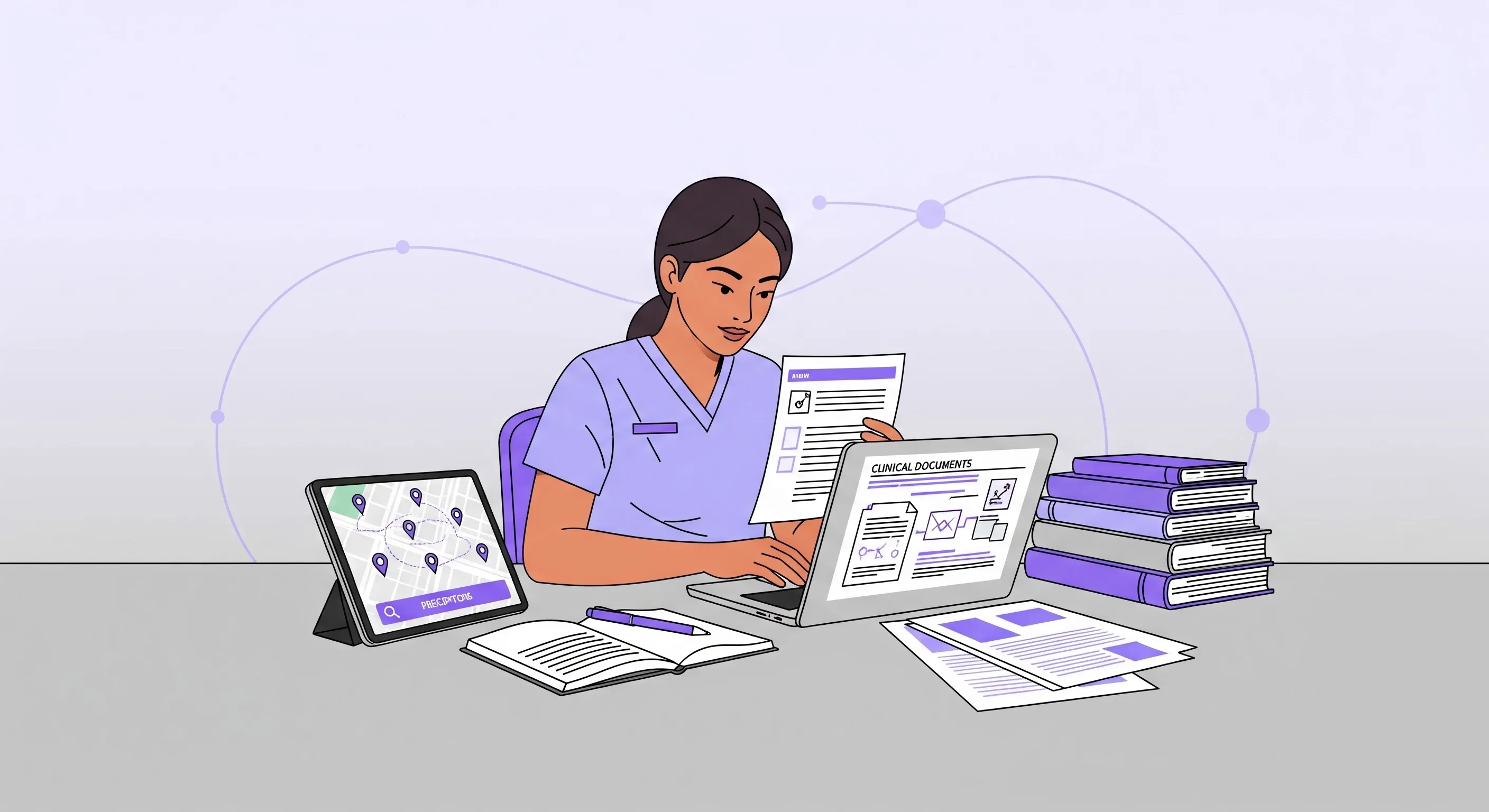
What Is an NP Preceptor and Why Are They So Hard to Find?
A nurse practitioner preceptor is an experienced, licensed clinician who supervises and evaluates NP students during clinical rotations. Depending on your school’s rules, this might be a nurse practitioner, physician (MD or DO), or physician assistant. The preceptor’s job is to guide you through real patient care—teaching clinical reasoning, providing feedback, and helping you develop the skills you’ll need for independent practice.
Most NP programs require between 500 and 1,000+ clinical hours completed under preceptor supervision before graduation. These hours must be documented and verified for you to sit for national certification exams.
Why are experienced preceptors so scarce?
- The rapid growth of online NP programs has dramatically increased the number of students seeking placements
- In competitive markets like the Gulf Coast and Biloxi area, multiple students may be pursuing the same clinics
- Clinics face productivity pressures that make unpaid teaching feel like a burden
- Many clinicians simply don’t have training in how to precept effectively
- Administrative paperwork and liability concerns deter potential preceptors
The emotional toll is real. Many np students experience anxiety about potential delays, guilt about asking busy clinicians for their time, and fear of falling behind classmates. If you’ve felt any of this, know that you’re not broken or behind—you’re responding normally to a genuinely difficult situation.
Despite these challenges, most students do secure preceptors. The difference usually comes down to having a structured plan rather than waiting for luck to deliver a placement.
Know Your School’s Rules Before You Contact Anyone
Nothing derails a preceptor search faster than discovering—after weeks of outreach—that your carefully cultivated contact doesn’t meet your program’s requirements. Get crystal clear on the rules before you make a single phone call.
Actions to take immediately:
- Meet with your practicum or clinical coordinator. Get written details about required specialties (family practice, adult-gerontology, psych mental health), minimum patient age ranges, and whether telehealth or skilled nursing facilities are acceptable clinical sites.
- Clarify which preceptors are allowed. Can you use family nurse practitioners, psychiatric NPs, physicians, or physician assistants? Are there state-specific restrictions in Mississippi that limit your options? Some programs require a minimum of 150 hours with APRNs specifically.
- Confirm geographic rules. What’s the maximum driving distance? Are out-of-state placements allowed? Can you use your current employer—for example, if you’re a working RN at a Biloxi nursing home, can the facility’s physicians serve as preceptors?
- Create a one-page clinical fact sheet. Summarize everything a potential preceptor needs to know: hours needed (e.g., 180 hours primary care, 90 hours pediatrics), date range, evaluation forms required, and onboarding needs. This makes you look prepared and respects their time.
- Understand ratio limits. Many programs cap preceptor-to-student ratios at 1:2. Some states like New Jersey require 1:1. If a busy clinic already has two students, they may not be able to take you regardless of interest.
Understanding the rules early avoids heartbreak later—like discovering that a wonderful nursing home administrator cannot sign off because they don’t meet your program’s credential criteria.
Strategy 1: Use School-Supported Placement Without Losing Your Autonomy
Your NP program likely has resources to help with preceptor placement. Using them doesn’t mean surrendering control—it means being strategic about reducing your workload.
How to leverage school resources effectively:
- Request the internal preceptor database. Many programs maintain lists of preceptors and clinical sites that have successfully hosted students before. These might include family practice NPs, FQHCs, long-term care facilities, and outpatient clinics.
- Ask directly about your area. “Does our program ever help place students in sites near Biloxi, MS?” Be specific. Request any available lists or contact introductions.
- Tap into faculty connections. Ask your professors if they personally precept or know colleagues who do. Faculty in family practice, mental health, and adult-gerontology primary care often have extensive networks.
The tradeoff: School-supported placement can significantly reduce stress and protect your graduation timeline. However, you may have less control over the exact site, schedule, or location. A clinic 45 minutes away might not be your first choice, but it guarantees hours.
Consider a hybrid approach. Accept one school-arranged rotation to lock in required hours, then self-arrange another placement in your preferred setting—like an outpatient family practice in Biloxi or Gulfport—for career alignment and hands on experience with populations you want to serve.
Strategy 2: Network Intentionally (Not Desperately)
Networking feels uncomfortable for most people. The good news: you don’t need to be a natural schmoozer. You just need a plan and a genuine approach.
Start by mapping your current circle:
- Managers and charge nurses you work with
- Staff NPs and physicians at your current job
- Nursing home administrators and case managers
- Clinical instructors from your RN training
- Colleagues who recently completed NP programs
Example conversation at work: Approach a family nurse practitioner or hospitalist on your unit and say: “I’m starting my FNP clinicals in Fall 2026—do you or anyone you know precept NP students? I’m looking for primary care experience and would love any connections you might have.”
Reach out to your extended network:
- Former preceptors from nursing school who might have NP connections
- Recent NP graduates who can share who precepted them and whether introductions are possible
- Local nursing organizations and their member directories
Use LinkedIn professionally:
- Update your headline: “NP Student Seeking Preceptor – Family Practice | Biloxi, MS Area”
- Connect with local NPs, clinic administrators, and physicians
- Share a short, respectful post describing your preceptor needs with exact dates and requirements
- Engage with others’ content before asking for favors
The key insight: Networking is about building trust and mutual respect. Offer flexibility with scheduling. Come prepared with your clinical fact sheet. Respect their time. When clinicians feel emotionally safe and confident you won’t create extra work, they’re more likely to say yes.
Strategy 3: Cold Calling and Emailing Clinics in Your Area
Cold outreach gets a bad reputation, but it works—especially for students new to an area or whose schools offer limited placement support.
When cold calling makes sense:
- You’ve recently moved to a city like Biloxi, Mississippi and don’t have local connections
- Your program has saturated its existing preceptor relationships
- You need a specialty that’s harder to find through school channels
Build a targeted site list:
Create a list of 25–40 potential sites within your driving radius. Include:

Sample phone script:
“Hi, my name is [Name] and I’m a nurse practitioner student at [School]. I’m looking for a preceptor for my [Family/Adult-Gero/Psych] clinical rotation starting [Month/Year]. Could you tell me who handles student placement requests at your practice—is that the office manager or one of the clinicians directly?”
Sample email template:
Subject: NP Student Preceptorship Inquiry – [Rotation Dates]
Dear [Practice Name] Team,
My name is [Name], and I’m a registered nurse completing my [FNP/AGNP/PMHNP] degree at [School]. I’m seeking a clinical preceptor for [X hours] between [dates] and am very interested in your practice.
I’ve attached my resume and a summary of my program’s requirements. I’m flexible with scheduling and committed to being a prepared, professional addition to your team.
Would it be possible to discuss whether you accept NP students? I’m happy to provide any supporting documentation your practice needs.
Thank you for your time, [Your name and contact information]
Follow-up with boundaries: Plan one phone call, one email, and—if appropriate—one in-person visit with your “student packet” (resume, school fact sheet, brief personal statement). Then move on. Persistence matters, but so does respecting when the answer is no.
Strategy 4: Considering Paid NP Preceptor Matching Services
Paid preceptor matching services exist because finding preceptors is genuinely hard. Understanding how they work helps you decide whether they fit your situation.
What paid services offer:
Preceptor matching services are online platforms that connect NP students with preceptors by specialty, location, and availability. Many include options in different markets like Biloxi, MS or the broader Gulf Coast region—areas where organic networking might yield fewer results.
Typical process:
- Student submits a detailed rotation request (specialty, hours, dates, location preferences)
- Platform contacts preceptors in their network
- A preceptor accepts and confirms availability
- Paperwork is sent to your school for approval
- You complete your clinical match and begin the rotation
Cost considerations:


Questions to ask before committing:
- What happens if my school denies the site or preceptor?
- What refund or replacement policies exist if a preceptor cancels?
- How do you assess preceptor quality and teaching ability?
- Can I see the preceptor information before I pay?
- What’s your process if the rotation doesn’t work out?
Some services advertise a thousand preceptorship offerings or claim to be the fastest growing directory. Look past marketing language and focus on policies that protect you.
Finding NP Preceptors in Biloxi, Mississippi and Similar Markets
Regional strategy matters. Biloxi and the Mississippi Gulf Coast present unique challenges—fewer large academic medical centers compared to major metros—but also real opportunities.
Where to focus your Biloxi-area search:
- Primary care and family practice clinics – These often see broad age ranges and diverse conditions, making them ideal for family nurse practitioner students
- Federally qualified health centers (FQHCs) – Often more student-friendly and accustomed to training clinicians
- Urgent care and walk-in clinics – High patient volume means more hands on experience with acute presentations
- Health department clinics – May offer public health exposure alongside clinical hours
Expand your geographic radius:
Be realistic about commuting if it significantly improves your chances. Consider:
- Gulfport (adjacent to Biloxi)
- Ocean Springs
- Pascagoula
- Mobile, Alabama (about an hour east)
A 45-minute commute to secure an excellent preceptor may be worth it.
Explore long-term care opportunities:
Many adult-gerontology and family NPs work with nursing home residents. A nursing home administrator can be your gateway to medical directors or NP clinicians willing to precept. These settings offer consistent access to adults with complex, chronic conditions—valuable proper clinical experience for future colleagues in geriatric care.
Consider Telehealth and hybrid models:
Especially in psych mental health and chronic disease management (like weight management or diabetes care), some preceptors offer telehealth supervision. Before pursuing this path:
- Confirm your Mississippi license status supports telehealth rotations
- Verify your school’s policy on telehealth clinical hours
- Understand what percentage of hours can be remote versus in-person
Additional overlooked sources:
- Mississippi State Nurses Association
- Local hospital systems’ education departments
- VA healthcare facilities
- Private specialty practices (cardiology, endocrinology, pain management)
Choosing the Right Preceptor for Your Goals and Emotional Safety
Not every willing clinician is the right fit. A preceptorship is an intense learning relationship, and choosing wisely protects both your education and your confidence.
Assess teaching style and practice structure:
- Ask about typical daily patient volume. Eight to ten patients per day allows time for teaching and questions. Twenty-five to thirty may mean you’re observing more than practicing.
- Inquire about the schedule: Will you have consistent days, or will it vary week to week?
- Understand what procedures and patient populations you’ll encounter
Have a direct conversation about expectations:
Ask potential preceptors:
- “What do you expect from an NP student in your clinic?”
- “How do you like to give feedback—in the moment, at the end of the day, weekly check-ins?”
- “What does a successful rotation look like to you?”
Transparent expectations prevent misunderstandings and set you up for success.
Align with your career goals:
If you want to work in outpatient family practice after graduation, prioritize outpatient family practice rotations. If you’re drawn to older adults, seek adult-gerontology primary care or nursing homes. Your clinical sites shape your resume and your confidence in specific settings.
Protect your emotional safety:
Watch for red flags during initial conversations:
- Preceptor seems dismissive or distracted
- History of frequently canceling on students
- Appears uninterested in teaching
- Makes comments that feel demeaning or unwelcoming
Even if a site “looks good on paper,” a toxic learning environment damages your confidence and professional identity. You’re allowed to say no.
Short-term inconvenience—finding a different placement—is often worth protecting your ability to learn and grow as a student NP.
Organizing Your Search So It Doesn’t Take Over Your Life
A preceptor search can expand to fill every available hour if you let it. Structure prevents burnout.
Create a simple tracking system:
Use a spreadsheet or notebook with columns for:

Schedule focused “preceptor blocks”:
Instead of constant, scattered efforts that increase stress, dedicate 2–3 blocks per week (45–60 minutes each) specifically for calls and emails. Then close the laptop and focus on other important information—like studying.
Use templates:
Create saved email and voicemail templates so you can send professional, consistent messages without rewriting from scratch each time. Personalize the opening, but keep the core request consistent.
Build a documentation folder:
Keep copies of all confirmations, affiliation agreements, preceptor communications, and school forms in one secure digital folder. When your clinical coordinator asks for approval documentation, you’ll have everything ready.
Rest and boundaries matter:
Finding a preceptor is important, but burning out before clinicals start makes success harder. Set boundaries around your search time. Take breaks. Your future practice depends on you arriving at clinicals energized, not exhausted.
Final Thoughts
Finding a preceptor is one of the hardest parts of NP education—but it’s also temporary. Most students who approach the process systematically, start early, and use multiple strategies in parallel do find placements and complete their programs successfully.
Start with one action today. Email your coordinator. Update your resume. Draft that first outreach message. Every step forward reduces the uncertainty and brings you closer to the clinical experience that will shape your career as a nurse practitioner.
You’re not in this alone, and you don’t have to have it all figured out right now. Just keep moving forward.
Key Definitions
- NP Preceptor: A licensed clinician qualified by your NP program—often a nurse practitioner, MD, DO, or PA—who directly supervises and evaluates nurse practitioner students during required clinical hours.
- NP Preceptorship (or Rotation): A structured clinical learning period where an NP student practices assessment, diagnosis, and patient care management with oversight from a clinical preceptor.
- NP Preceptor Finder: Any method, tool, or service—school-based resources, personal networking, or paid platforms—that helps students identify and connect with potential preceptors.
- Practicum/Clinical Coordinator: The school staff or faculty member responsible for overseeing clinical placements, verifying site suitability, and ensuring all requirements are met before a rotation begins.
- Nursing Home Administrator: The licensed professional managing a long-term care facility’s operations. Often a key decision-maker about whether the facility can host NP students, even if they are not clinical preceptors themselves. They may connect you with the facility’s medical director or physician coverage.
- Preceptorship Description: Documentation from your school outlining the clinical experience, including required hours, competencies to be achieved, and evaluation criteria.
FAQs: Nurse Practitioner Preceptors and Clinical Placements
When should I start looking for an NP preceptor?
Begin your search 6–12 months before your rotation start date. Popular sites fill quickly, and some schools require completed paperwork and affiliation agreements months before you can begin clinical hours. Starting early reduces stress and gives you options.
Can a family member or my current employer precept me?
It depends on your school’s policy and conflict-of-interest rules. Many programs prohibit family members. Using your current employer may be allowed but often requires additional documentation. Ask your coordinator in writing before pursuing these options to avoid wasted effort.
What if my preceptor cancels at the last minute?
Immediately notify your school and document all hours you’ve completed. Then activate all available strategies—contact your coordinator, reach out to your network, and consider paid services if timeline pressure is severe. Stay calm and focused. Most students find replacements, though it may require flexibility on location or schedule.
Can I use Telehealth or remote preceptors?
Some programs allow Telehealth hours, especially in psych mental health specialties. However, rules vary widely by school and state. Confirm with your NP program and the Mississippi Board of Nursing if you’re unsure. Document the approval in writing.
How many hours per week should I plan to be in clinicals?
Typical ranges are 12–24 hours per week depending on your term length and total hour requirements. Plan work and family commitments realistically. Trying to cram too many clinical hours into a short period leads to exhaustion and poor learning.
Do I have to pay a preceptor personally?
Payment structures vary. Some preceptors volunteer their time. Others receive compensation through matching services or practice policies. There’s no single “right” choice—weigh cost, time, and emotional stress. A paid placement that protects your graduation timeline might be worth it; an organic mentorship you found through networking might feel more meaningful.
How do I stand out when asking someone to precept me?
Share a brief introduction with your background, clear goals for the rotation, flexibility with scheduling, and evidence of reliability (work history, references, punctuality). Frame it as a partnership rather than a demand. Clinicians want to know you’ll be prepared, professional, and not create extra burden for them.
When should I start looking for a preceptor?
Ideally, begin 6 to 12 months before your clinical rotation to ensure ample time.
Can I choose my preceptor?
Yes, you should feel empowered to select a preceptor that aligns with your learning style and goals.
What if my preceptor cancels at the last minute?
Have a backup plan and stay in contact with your school or support network to find alternatives quickly.
Are there preceptors available in specialties like family practice or mental health in Biloxi?
Yes, Biloxi offers diverse clinical sites, including family practice and mental health, among others.
Should I pay for preceptor matching services?
Consider your comfort with fees and the service’s transparency; always choose options that prioritize your control and trust.
Article details
- Last updated
February 2nd, 2026 - Fact-checked by
NPHub Clinical Placement Experts & Student Support Team - Sources and references
- American Association of Nurse Practitioners (AANP) – Comprehensive information on NP roles, education requirements, and clinical practice standards: https://www.aanp.org
- National Organization of Nurse Practitioner Faculties (NONPF) – Outlines core competencies for NP education and preceptorship expectations: https://www.nonpf.org
- American Association of Colleges of Nursing (AACN) – Resources on graduate nursing clinical education, including guidance on preceptor roles and clinical training standards: https://www.aacnnursing.org
- Mississippi Board of Nursing – State-specific regulations that may impact preceptor eligibility and NP clinical practice in MS: https://www.msbn.ms.gov
- National Task Force on Quality Nurse Practitioner Education (2022 Standards) – Guidelines endorsed by APNA requiring programs to have policies for preceptor recruitment, selection, orientation, and evaluation
- Regis College Preceptor Qualifications – Example of specific program requirements including credentials, experience, and supervision ratios: https://www.regiscollege.edu/preceptor-orientation/preceptor-qualifications-and-expectations
- NIH/PMC Research on Preceptor Skills – Grounded theory analysis identifying key preceptor competencies including communication, relational skills, and emotional intelligence: https://pmc.ncbi.nlm.nih.gov/articles/PMC10064778/
- What is an NP Preceptor: https://www.nphub.com/blog/effective-np-preceptor
- Biloxi VA Medical Center | VA Gulf Coast Health Care
- What is an NP Preceptor: https://www.nphub.com/blog/effective-np-preceptor
- https://www.nphub.com/blog/top-5-np-programs-where-students-found-preceptors-fastest-in-2026
- https://www.nphub.com/blog/preceptorship-guide
- https://www.nphub.com/blog/best-preceptor-matching-service
- https://www.nphub.com/blog/np-clinical-rotations-faq
Find a preceptor who cares with NPHub
Book a rotation.webp)
.jpeg)

.webp)
.jpeg)


%20(3)%20(2).svg)
.webp)