
.png)



.webp)
Compassion fatigue in nursing is a state of emotional and physical exhaustion that occurs when nurses absorb the trauma and suffering of their patients without adequate recovery. It can develop suddenly or gradually and often overlaps with burnout, affecting mental health, job satisfaction, and patient care. Recovery involves early recognition, structured self-care, professional boundaries, and reducing unnecessary workplace stressors.
TL;DR - Lessons In Compassion Fatigue In Nursing and Recovery
- Nurses are especially vulnerable to compassion fatigue because of sustained emotional exposure to patient suffering.
- Compassion fatigue is different from burnout and can develop suddenly, especially during high-stress phases like nursing school or clinical placement searches.
- Early signs include emotional exhaustion, irritability, physical exhaustion, difficulty sleeping, and reduced empathy.
- Recovery requires both internal strategies like self compassion and professional boundaries, and external stability such as structured support systems.
- Reducing unnecessary uncertainty, especially around clinical placements, can significantly protect mental health and long-term job satisfaction.
The Emotional Shift Many Nurses Do Not Expect
You entered the nursing profession because you care deeply. That ability to provide compassionate care is what makes you a strong registered nurse and a future nurse practitioner. Yet during nursing school, the emotional load can begin to feel different. What once felt energizing can start to feel heavy.
Compassion fatigue in nursing develops quietly. It often shows up as emotional exhaustion, irritability, difficulty sleeping, or a fading sense of compassion satisfaction.
Many healthcare professionals experience compassion fatigue in high-intensity settings like intensive care, oncology nursing, psychiatric nursing, and critical care. Now add graduate coursework, exams, and the pressure of securing clinical placements.
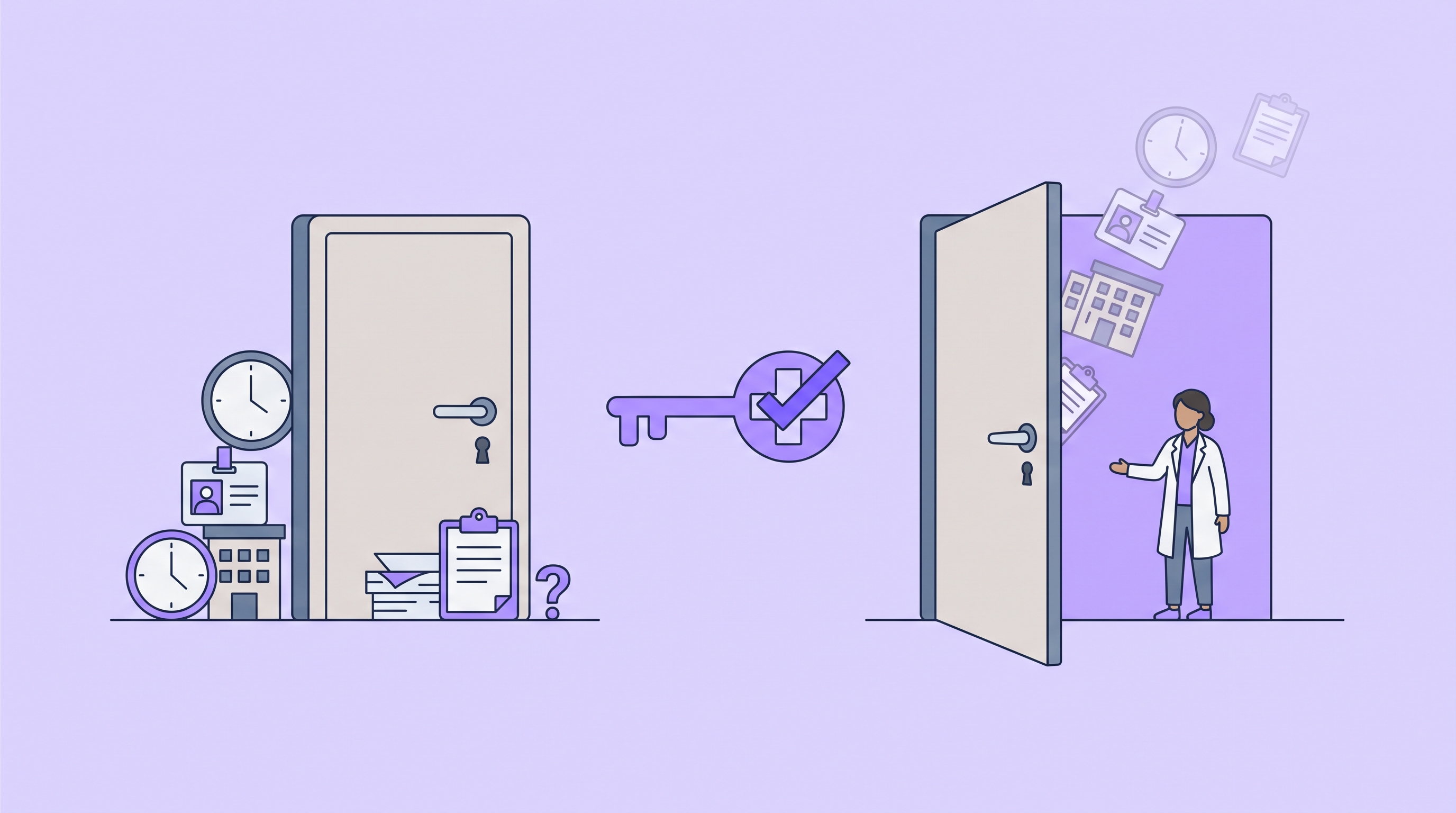
For many NP students, the clinical placement search becomes the tipping point. Sending emails between shifts. Managing paperwork alone. Watching deadlines approach inside an already strained healthcare system.
That ongoing uncertainty can intensify workplace stress and lead to developing compassion fatigue, even in highly capable healthcare providers.
When the search for a preceptor starts draining more energy than your coursework, reducing that uncertainty becomes part of protecting your mental health. To take a little pressure off your search, you can create a free NPHub account and see who’s available in your area.
Let's deep dive into compassion fatigue, explore the symptoms specific to nurse practitioner students, and discuss practical ways to prevent compassion fatigue while protecting your mental health, physical health, and long-term job satisfaction.
Lesson One: Compassion Fatigue Is Subtle Before It Is Serious
One of the most important lessons about compassion fatigue in nursing is that it rarely begins in crisis. It builds quietly inside a stressful work environment, especially for healthcare professionals who are deeply committed to compassionate care.
Many nurses assume compassion fatigue only affects critical care nurses in intensive care units or oncology nursing teams facing high patient mortality rates yet many nurses across the healthcare system experience compassion fatigue.
Staff nurses, psychiatric nursing professionals, and even nurses working in outpatient health care settings report similar patterns.
For NP students balancing nursing practice, nursing education, and clinical placement pressure, developing compassion fatigue can feel confusing. You may still perform well. Your interpersonal and communication skills may remain strong. Yet internally, something feels heavier.
Recognizing early compassion fatigue symptoms protects your mental health, physical health, and long-term job satisfaction within the nursing profession.
Emotional Signals You Might Dismiss
Emotional exhaustion is often the first indicator. It may not look dramatic. It may simply feel like your emotional bandwidth has narrowed.
Common symptoms of compassion fatigue include:
- Increased irritability with patients, coworkers, or family
- Emotional numbness during patient care
- Reduced compassion satisfaction in work that once felt meaningful
- Moral distress within strained health care systems
- Heightened anxiety tied to deadlines, nursing school demands, or clinical placement uncertainty
Healthcare providers experiencing compassion fatigue often describe a quiet shift from empathetic care to emotional survival mode. This does not mean you lack professionalism. It often means your capacity has been stretched repeatedly without enough recovery time.
Burnout and compassion fatigue can overlap. Nurse burnout is often linked to systemic workplace stress, staffing shortages, and decreased productivity expectations. Compassion fatigue is more closely tied to repeated exposure to patient suffering, secondary trauma, and secondary traumatic stress. Many healthcare workers experience both simultaneously.
Physical Signals That Often Get Ignored
The body frequently signals distress before the mind fully acknowledges it. Physical symptoms are common among healthcare professionals developing compassion fatigue.
These may include:
- Persistent physical exhaustion despite rest
- Difficulty sleeping or disrupted sleep cycles
- Tension headaches or muscle tightness
- Stress related symptoms such as gastrointestinal discomfort
- Gradual decline in overall physical well being
In a demanding healthcare facility, physical exhaustion is often normalized. Yet ongoing fatigue affects patient safety, professional quality, and nurse well being. Addressing compassion fatigue early supports both physical health and emotional resilience.
Professional Signals Unique to NP Students
For nurse practitioner students, compassion fatigue often shows up in professional behaviors tied to advancement.
You might notice:
- Avoiding outreach to potential preceptors
- Delaying paperwork because it feels overwhelming
- Questioning readiness for advanced nursing practice
- Difficulty concentrating during coursework in nursing school
- Feeling detached from long-term goals in the nursing profession
In reality, avoidance is often a protective response to overload. When you are experiencing compassion fatigue, even simple tasks can feel heavier than they should.
Clinical placement outreach is especially vulnerable to this pattern. Sending emails, following up, navigating paperwork within complicated health care systems, all while managing patient care and coursework, can intensify emotional exhaustion. The longer the uncertainty continues, the more mental space it occupies.
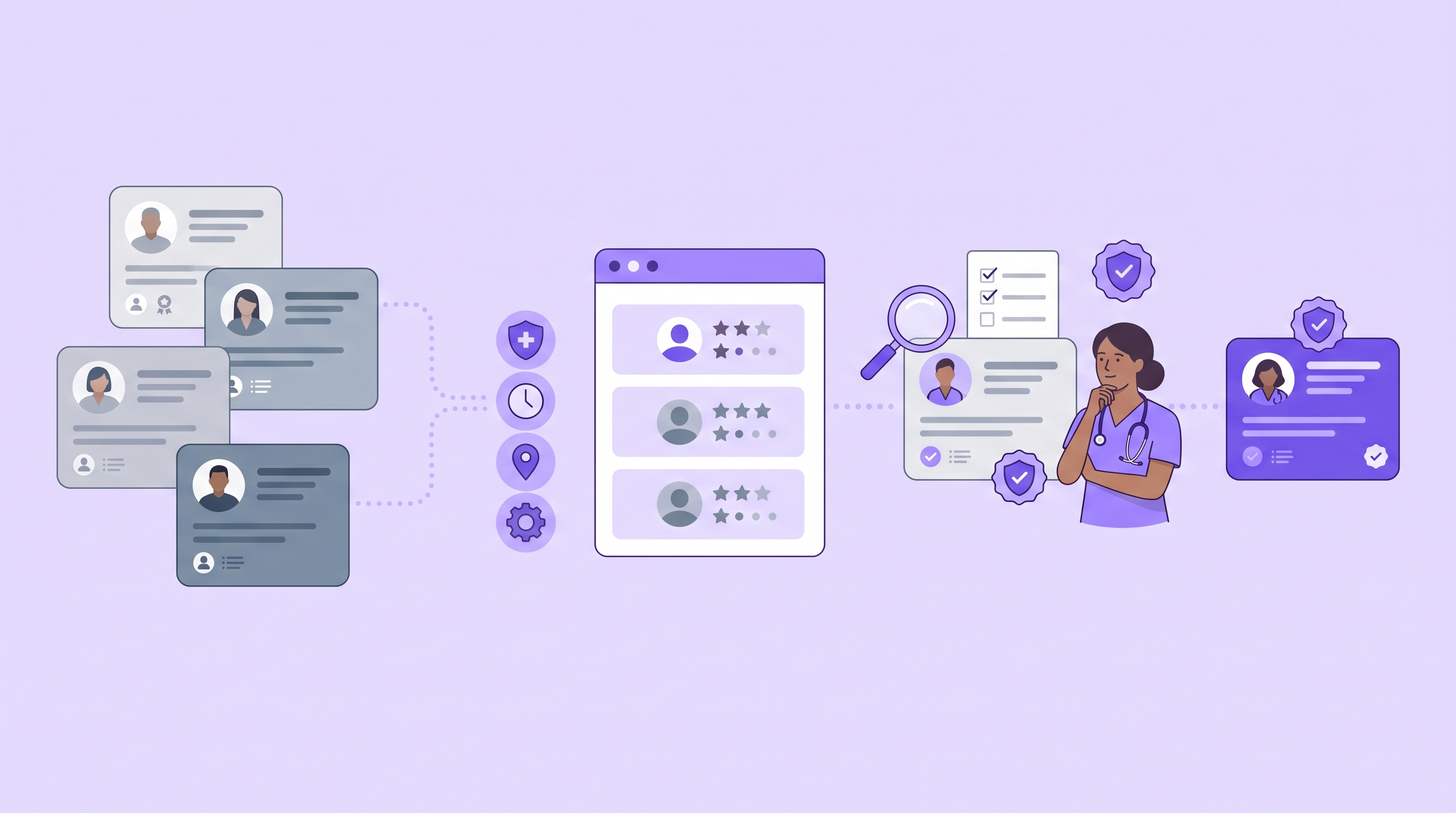
If the outreach process has started to feel paralyzing, creating a free NPHub account can give you structured options in front of you instead of another blank email to draft. Seeing vetted preceptors available in your area can restore clarity and help you move forward with steadier momentum.
Early self assessment allows you to prevent compassion fatigue from deepening into burnout and compassion fatigue combined. Awareness is the first step toward recovery.
Lesson Two: Factors That Amplify Emotional Exhaustion
Many nurses assume their exhaustion comes solely from patient care. Long shifts. High acuity cases. Emotional conversations with families. Exposure to secondary trauma in intensive care, oncology nursing, psychiatric nursing, or critical care settings.
Within many health care systems, there is an oversupply of students and a limited number of available preceptors. At the same time, healthcare providers face decreased productivity pressures, staffing shortages, and documentation demands inside already strained healthcare facilities.
Preceptors worry about workplace stress, patient satisfaction metrics, and maintaining professional quality while supervising students.
As a result, individual nurses are frequently left to solve a structural problem on their own.
Common stressors NP students encounter include:
- Repeated unanswered outreach emails
- Clinics declining due to productivity concerns
- Preceptors taking breaks due to burnout symptoms
- Complex paperwork and coordination requirements
- Limited support from nursing school programs
- Fear of delayed graduation and extended tuition costs
This uncertainty directly affects mental health. Many nurses working full time while completing nursing education describe the placement search as more destabilizing than exams. The lack of predictability can increase stress related symptoms, disrupt healthy work life balance, and intensify emotional exhaustion.
Also, clinical placement stress adds a different kind of strain. It is ongoing, administrative, and often invisible to others. Unlike a difficult patient interaction, it does not resolve at the end of a shift. It follows you home. It sits in the background while you study. It lingers while you try to rest.
Reducing uncertainty can significantly lower emotional strain. To take a little pressure off your search, open your free NPHub account and see who’s available in your area. Even reviewing structured options can restore a sense of direction when everything feels open-ended.
Clinical placement stress is not a reflection of your competence. It is a reflection of gaps within the healthcare system. Understanding that distinction is part of addressing compassion fatigue with clarity instead of self-criticism.
In the next lesson, we will focus on recovery and how stabilizing your environment supports nurse well being and long-term job satisfaction.
Lesson Three: Recovery Begins With Reducing Unnecessary Stress
One of the most empowering lessons about addressing compassion fatigue is this: recovery does not begin with becoming tougher. It begins with stabilizing what you can control.
Many healthcare professionals assume the solution is more resilience, better time management, or stronger coping strategies. While those matter, developing compassion fatigue is often connected to prolonged exposure to workplace stress within complex health care systems. Recovery requires reducing unnecessary strain so your nervous system can reset.
For NP students, this means protecting your mental health and physical well being while continuing to advance in the nursing profession.
Internal Recovery: Rebuilding Capacity From Within
Before solving every logistical challenge, your body and mind need steadiness. These self care strategies help restore balance:
- Re-establishing professional boundaries at work when possible
- Practicing self compassion instead of self criticism
- Conducting regular self assessment of emotional exhaustion and burnout symptoms
- Creating structured study blocks instead of constant multitasking
- Prioritizing sleep to reduce difficulty sleeping and physical exhaustion
- Using employee assistance programs if available through your healthcare facility
Healthy work life balance does not mean perfect balance. It means protecting enough space to prevent compassion fatigue from deepening. Many nurses overlook self care because it feels secondary to patient safety. In reality, nurse well being directly supports patient care, professional quality, and long-term job satisfaction.
External Stabilizers: Reducing Structural Pressure
Internal coping strategies are powerful, but recovery also requires environmental stability. When systems are chaotic, even strong coping strategies can become overwhelmed.
External stabilizers may include:
- Clear clinical placement timelines
- Organized documentation processes
- Predictable communication channels
- Transparent expectations between preceptors and students
- Structured support during nursing education
Reducing administrative uncertainty decreases stress related symptoms and helps manage burnout more effectively. It also supports compassionate care because your emotional bandwidth is no longer consumed by unanswered emails and open-ended logistics.
You have what it takes and with a free NPHub account simply helps the process match your momentum. Having vetted preceptor options visible in one place can shift your energy from searching to planning.
Recovery is not about avoiding responsibility. It is about aligning effort with support. When unnecessary friction is removed, many nurses notice improved mental health, stronger communication skills, and renewed compassion satisfaction.
In the next lesson, we will examine how to evaluate your placement options transparently so you can make decisions that protect both your graduation timeline and your well being.
Lesson Four: Sustainable Success Requires Support
Another important lesson in compassion fatigue and recovery is that independence has limits.
The nursing profession values strength, adaptability, and accountability. Many professional nurses are used to solving problems independently inside demanding health care environments and even thought that mindset serves you well in patient care, it becomes heavier when applied to structural gaps in the healthcare system, especially during nursing education.
When it comes to securing clinical placements, NP students generally face two paths. Neither is wrong. Each carries tradeoffs that affect mental health, work life balance, and emotional exhaustion differently.
Understanding those tradeoffs allows you to make a decision that protects your nurse well being.
Option One: Securing a Preceptor Independently
Many registered nurses begin here. It feels aligned with professional autonomy and avoids direct financial investment.
Common advantages include:
- No upfront financial cost
- Full control over outreach and communication
- Direct relationship building with healthcare providers
- Flexibility in choosing specialties such as critical care, psychiatric nursing, or primary care
However, the tradeoffs often include:
- Significant time investment while working full time
- Repeated outreach with uncertain responses
- Managing complex paperwork across different healthcare facilities
- Increased workplace stress layered onto nursing practice
- Risk of delayed graduation if placements fall through
For some individual nurses, this path works smoothly. For many nurses, the unpredictability becomes a major contributor to burnout and compassion fatigue.
Option Two: Structured Placement Support
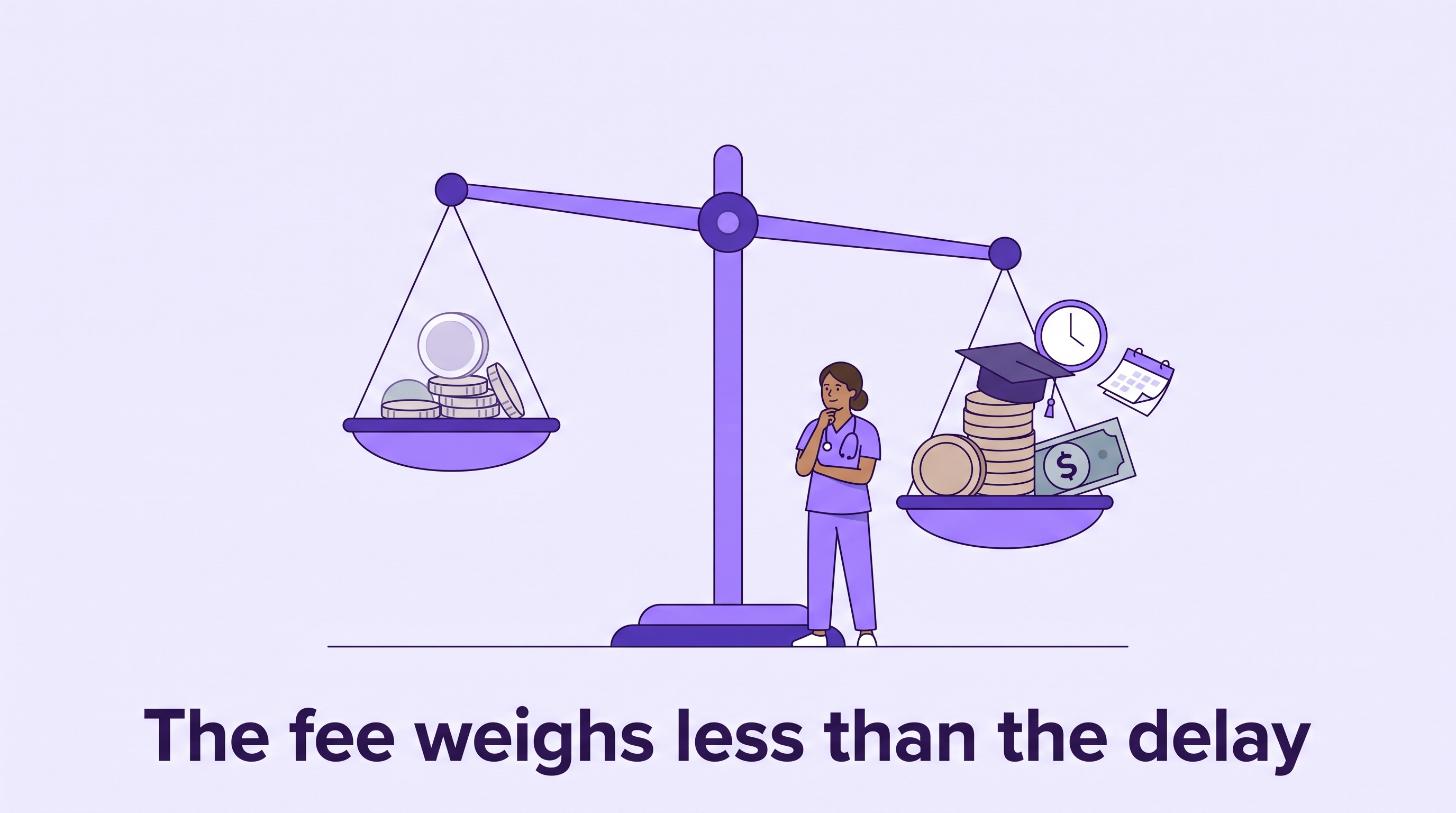
Structured support introduces a financial investment, but it also reduces uncertainty and administrative strain.
Potential advantages include:
- Access to vetted preceptors
- Coordinated documentation and communication
- Clear timelines and expectations
- Reduced time spent on cold outreach
- Ongoing support during rotations
Independent searching can feel empowering. It also requires time, persistence, and tolerance for uncertainty. For some nurses, that uncertainty remains manageable.
For others, repeated outreach, unanswered emails, and shifting clinic expectations increase emotional exhaustion and stress related symptoms.
Structured placement support introduces a financial investment. It also reduces administrative strain, clarifies timelines, and provides coordinated communication.
Many healthcare professionals find that predictable processes improve focus, protect physical well being, and support long-term job satisfaction during advanced nursing education.
Every NP student deserves transparency about these realities. Your choice should reflect your capacity, your timeline, and the level of stability you need in this season of professional growth.
Whenever you’re ready, you can create a free NPHub account and look through vetted preceptors at your own pace. Exploring your options simply gives you more visibility and control.
What Recovery Actually Feels Like
Recovery from compassion fatigue in nursing rarely feels dramatic. It feels steady.
You may notice that you are less reactive during patient care. Difficulty sleeping becomes less frequent. Physical exhaustion softens. Your communication skills feel more present and less strained. Compassion satisfaction begins to return in small, meaningful moments.
For nurse practitioner students, recovery often includes renewed clarity. Coursework feels more manageable. Clinical planning feels organized instead of chaotic. The background anxiety tied to uncertainty decreases, allowing your mental health and physical well being to stabilize.
Many healthcare professionals only recognize the depth of their emotional exhaustion once steadiness returns. Professional boundaries feel clearer. Self compassion replaces self criticism. Patient safety and professional quality improve because you are functioning from strength rather than depletion.
Experiencing compassion fatigue does not disqualify you from advanced nursing practice. It often reflects deep commitment to empathetic care within demanding health care systems. Addressing compassion fatigue early strengthens your long-term job satisfaction, supports sustainable nursing practice, and protects the integrity of your role as a future nurse practitioner.
This phase of nursing education is intense. It asks you to grow clinically, academically, and emotionally at the same time. Recovery is possible. Stability is possible. A healthy work life balance is possible.
Compassion fatigue can be a lesson rather than a limit. With awareness, structured support, and intentional self care, you can move forward in your nursing profession with resilience and clarity.
Frequently Asked Questions About Compassion Fatigue in Nursing
1. Are nurses more vulnerable to compassion fatigue than other healthcare professionals?
Yes. Nurses are often more vulnerable to compassion fatigue than many other healthcare professionals because of the sustained, close contact they have with patients and families. Registered nurses, staff nurses, and advanced practice nurses provide continuous bedside care, emotional support, and advocacy.
This depth of empathetic care increases exposure to secondary trauma and secondary traumatic stress. Over time, repeated emotional engagement without adequate recovery can increase the likelihood of developing compassion fatigue.
For NP students who are still working clinically while completing nursing education, that exposure continues alongside academic pressure, which can intensify emotional exhaustion.
2. Can compassion fatigue affect nurses in any specialty?
Yes. Compassion fatigue in nursing is not limited to critical care nurses or those in intensive care units.
While oncology nursing, psychiatric nursing, and critical care environments often involve high patient mortality rates and visible trauma, compassion fatigue may impact nurses in any specialty. Whenever healthcare providers offer empathic support and internally absorb the pain of patients and families, emotional strain can accumulate.
Many nurses in outpatient settings, primary care, and community health report similar symptoms of compassion fatigue, especially within strained health care systems.
3. What is the difference between burnout and compassion fatigue?
Burnout and compassion fatigue are distinct, though they often overlap.
Burnout tends to develop gradually. It is usually linked to chronic workplace stress, staffing shortages, decreased productivity demands, and systemic issues within the healthcare system. Burnout symptoms often include hopelessness, depersonalization, emotional exhaustion, reduced job satisfaction, and decreased productivity.
Compassion fatigue may present more suddenly. It is more directly tied to exposure to patient suffering, secondary trauma, and sustained empathetic care. Symptoms of compassion fatigue include emotional and physical exhaustion, anxiety, anger, irritability, and reduced empathy.
Understanding this difference helps nurses choose appropriate coping strategies and self care interventions.
4. What are the most common symptoms of compassion fatigue?
Common compassion fatigue symptoms include:
- Physical exhaustion
- Headaches
- Difficulty sleeping or insomnia
- Anxiety or depression
- Irritability or anger
- Reduced empathy during patient care
- Increased absenteeism
- Emotional numbness
These physical symptoms and emotional changes may appear gradually or quickly. Early self assessment helps prevent compassion fatigue from progressing into more severe mental health strain.
5. Can compassion fatigue develop quickly?
Yes. Unlike nurse burnout, which usually has a gradual onset, compassion fatigue can emerge rapidly after particularly intense patient care experiences or repeated exposure to trauma.
Nurses working in intensive care, emergency settings, or psychiatric nursing may notice sudden shifts in emotional tolerance after difficult cases. Participating in debriefings after challenging patient encounters can help process those experiences and reduce long-term impact.
6. How does compassion fatigue affect patient care and professional quality?
Compassion fatigue can influence communication skills, patient satisfaction, and overall professional quality. When emotional exhaustion builds, nurses may unintentionally become more detached or less present during patient interactions.
Addressing compassion fatigue supports patient safety, strengthens interpersonal and communication skills, and protects long-term job satisfaction within the nursing profession.
Protecting nurse well being ultimately protects patients.
7. What coping strategies are effective for managing compassion fatigue?
Effective coping strategies include:
- Regular physical activity to support physical health
- Establishing clear work life boundaries
- Practicing mindfulness techniques
- Prioritizing sleep to reduce physical exhaustion
- Seeking peer support within your team
- Utilizing employee assistance programs when available
Mindfulness interventions have been shown to reduce and prevent compassion fatigue among healthcare workers. Even short, consistent practices can improve emotional regulation and decrease stress related symptoms.
8. How can peer support and teamwork reduce compassion fatigue?
Encouraging peer support creates emotional safety within a healthcare facility. Nurses who process experiences together are less likely to internalize stress alone.
Debriefings after difficult patient care situations allow healthcare professionals to share emotional reactions, normalize responses, and reduce the risk of unresolved secondary trauma. Team-based support strengthens resilience across nursing professionals.
9. Why are professional boundaries important in preventing compassion fatigue?
Setting professional boundaries helps nurses maintain healthy work life balance and prevent emotional overextension.
Without boundaries, empathetic care can turn into emotional depletion. Clear limits around availability, documentation time, and emotional labor protect mental health and physical well being. Professional boundaries are not signs of detachment. They are tools that allow sustainable compassionate care.
10. What does a personal prevention plan for compassion fatigue look like?
Developing a personal plan of care helps nurses avoid compassion fatigue over time. A prevention plan may include:
- Routine self assessment for emotional exhaustion and burnout symptoms
- Scheduled self care activities
- Clear professional boundaries
- Ongoing coping strategies such as mindfulness or exercise
- Accessing leadership support when needed
- Proactively seeking mentorship during nursing education
Nurse leaders play a vital role in encouraging frontline staff to engage in self care strategies and utilize available resources. When leadership normalizes mental health conversations and provides structured support, the entire healthcare system benefits.
Compassion fatigue is common among healthcare providers, but it is manageable. With awareness, structured coping strategies, and supportive environments, nurses can sustain empathetic care without sacrificing their own well being.
Article details
- Last updated
February 18, 2026 - Fact-checked by
NPHub Clinical Placement Experts & Student Support Team - Sources and references
- https://www.alliant.edu/blog/compassion-fatigue-nursing-overcoming-challenge
- https://ijsoc.goacademica.com/index.php/ijsoc/article/view/1366/1140
- https://www.psychologytoday.com/us/basics/compassion-fatigue
- https://www.cma.ca/physician-wellness-hub/content/compassion-fatigue-signs-symptoms-and-how-cope
Find a preceptor who cares with NPHub
Book a rotation.webp)

.webp)

%20(3)%20(2).svg)
.webp)