




.webp)
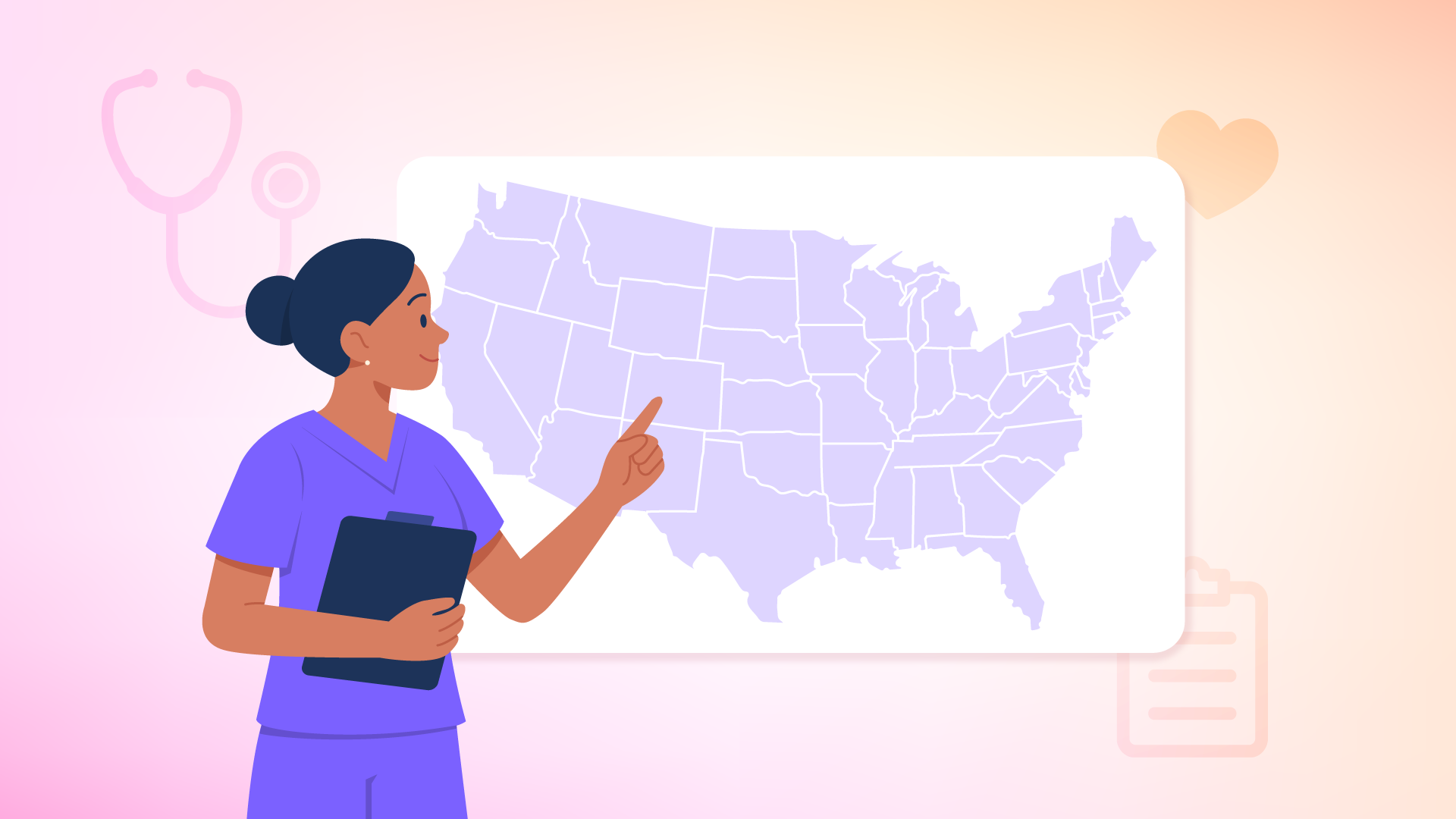
Clinical placements at Rocky Mountain University of Health Professions are completed through a structured process that includes university guidance, faculty oversight, and approval of clinical sites and preceptors. RMU reviews placements to ensure they meet program, accreditation, and licensure standards.
TLDR - Clinical Rotations for Nurse Practitioner Students at Rocky Mountain University
- RMU provides guidance, affiliation agreement support, faculty oversight, and resources.
- Each MSN pathway, including FNP, PMHNP, ENP, and dual certification options, requires supervised clinical hours that must be completed with qualified preceptors in approved clinical settings.
- Utah’s workforce environment includes a high number of APRNs and strong competition for clinical sites, which makes early planning and organized outreach essential for RMU students.
- Students who want more support during their search often use NPHub to explore vetted preceptors and secure placements that align with RMU’s program expectations.
Disclaimer: NPHub is an independent, private service that helps students find vetted preceptors, handle documentation, and stay on track for graduation and licensure. NPHub is not affiliated with or endorsed by Rocky Mountain University. This article is intended to share general, informational guidance based on our experience helping NP students from hundreds of NP programs secure clinical placements, along with publicly available information. If you are a student at Rocky Mountain University, NPHub can still support you in finding preceptors.
Preparing for Your Clinical Practice at Rocky Mountain University
Students at Rocky Mountain University begin their programs with a clear academic structure. The Family Nurse Practitioner program, the Psychiatric Mental Health Nurse Practitioner track, and other Master of Science in Nursing pathways combine online coursework, faculty guidance, and a strong foundation in evidence based practice.
Eventually every NP student reaches the point where classroom learning must transition into supervised clinical practice and this is the stage where clinical placements become essential.
The healthcare environment in Utah adds more context to this experience. According to the 2025 Utah advanced practice registered nurse workforce data report the state currently has a higher than average number of APRNs, and most identify as nurse practitioners in family practice settings.
The report also shows that fifty eight percent of APRN respondents participate in precepting, which is encouraging for students who are about to begin their clinical search.
At the same time, Utah is facing turnover and an aging workforce, which may influence the availability of clinical sites in the coming years. These factors make early planning especially important for students at RMU.
In this guide, we will walk through how clinical placements work and how you can move through this part of your program with confidence and support.
But if this seems like too much to handle and you want a simple way to begin preparing for this phase, you can create a free NPHub account and review preceptor options that match your program requirements before your clinical courses begin. Taking this step can ease your search and give you a clearer view of what opportunities are available.
Why Clinical Placements Matter for NP Students at Rocky Mountain University
Each advanced nursing program at Rocky Mountain University is structured to support a strong transition into clinical practice.
The MSN Family Nurse Practitioner pathway prepares students to care for individuals across the lifespan through a five semester, fifty credit curriculum that blends online coursework with campus visits in Provo, Utah.
This accredited program includes 540 clinical practice hours completed with local preceptors and leads to eligibility for the AANPCB or ANCC national certification exam. Graduates move into advanced practice nursing roles with a strong foundation in evidence based practice, health promotion, and patient care.
RMU also offers the MSN Family Nurse Practitioner and Emergency Nurse Practitioner option for students who want to expand their scope of nursing practice. This pathway spans six semesters and requires 960 clinical hours, completed alongside online instruction and on campus learning experiences.
Students build clinical knowledge in both primary care and emergency settings and prepare for advanced certification that supports a wider range of clinical responsibilities.
For students focused on mental health, the MSN Psychiatric Mental Health Nurse Practitioner program offers a fully online route to specialty practice.
The program includes five semesters of online coursework and 540 clinical hours with community based preceptors. Students gain skills in assessment, diagnosis, and treatment across diverse populations and graduate prepared for PMHNP certification and future licensure.
Rocky Mountain University also offers a dual MSN Family Nurse Practitioner and Psychiatric Mental Health Nurse Practitioner track.
This health sciences program spans six semesters and seventy seven credits, supported by selected campus visits for skills development and collaboration with faculty. Students complete 1080 clinical hours through local placements and graduate ready to pursue certification in both primary care and mental health nursing.
All of these nursing programs rely on supervised clinical hours to help students connect academic study with real nursing practice and these experiences teach clinical decision making, communication, to make your next steps smoother, go ahead and create a free NPHub account to explore your preceptor options that match the clinical expectations of your RMU program and the specialty you plan to pursue.
How Clinical Placements Work at Rocky Mountain University
Clinical placements at Rocky Mountain University of Health Professions are a central part of every advanced nursing program. They connect the academic work students complete in online coursework with the real patient care experiences needed for licensure and program accreditation. Understanding how RMU organizes this process helps students in the Master of Science in Nursing pathways move through the transition into clinical practice with more confidence.
Affiliation Agreement Support
Rocky Mountain University helps NP students by managing the agreements required:
- The Director of Clinical Education reviews each preferred location to see whether Rocky Mountain University of Health Professions already has an affiliation agreement.
- If the agreement does not exist, the institution begins the process of securing one.
- This step can take more than ninety days, which makes early planning essential for students in the Family Nurse Practitioner program, the Psychiatric Mental Health Nurse Practitioner track, the Emergency Nurse Practitioner option, and all other MSN pathways.
Site and Preceptor Approval
RMU ensures that each placement aligns with the standards expected in advanced nursing practice, healthcare leadership, and evidence based practice.
- The Director of Clinical Education reviews preceptor licenses, certifications, and curriculum vitae.
- Faculty members confirm that the site supports patient care experiences appropriate for the FNP program, the PMHNP track, the FNP and ENP combined option, or the dual FNP and PMHNP degree pathway.
- This process protects program accreditation, licensure eligibility, and the quality of clinical education for all RMU students.
Guidance and Faculty Support
The university provides structured guidance to help students prepare for their clinical practice experience.
- The Clinical Homeroom in Canvas includes preceptor selection criteria, instructional videos, required forms, and additional resources that support students across nursing programs and health sciences programs.
- Faculty maintain communication with preceptors throughout the rotation to support learning, encourage collaboration, and ensure that clinical objectives in primary care, mental health, and advanced nursing practice are being met.
Alongside the guidance provided by the university, some NP students choose to use additional tools to stay organized and informed during their placement planning. Creating a free NPHub account can offer added visibility into potential preceptor options that may align with the clinical requirements of an RMU program.
What NP Students Can Do to Secure Their Clinical Placements
Rocky Mountain University of Health Professions provides guidance and oversight throughout the clinical placement process. With thoughtful planning and organization, many students find that the steps involved become easier to manage. The following strategies can help NP students stay organized and move forward with confidence as they prepare for clinical practice.
Start Your Search Early
Beginning your search early is one of the most helpful decisions you can make. Clinical sites often commit their schedules months in advance, and affiliation agreements can take time to complete. Starting ahead gives you more room to explore your options and connect with potential preceptors before deadlines begin to feel tight.
Reach Out to a Variety of Clinical Settings
Students usually start with primary care clinics, behavioral health practices, community health centers, and hospitals. Exploring several types of settings gives you a better chance of finding a placement that fits your specialty and your goals. It also exposes you to different patient populations, including older adults, families, and individuals with mental health needs.
Many students like having an extra resource while they explore different settings. Creating a free NPHub account can help you see what types of preceptors are available in your area and give you more clarity as you consider your options.
Use Your Professional Relationships
Your existing network can be one of your strongest tools. Colleagues, supervisors, former instructors, and classmates often know providers who enjoy working with nurse practitioner students. Sharing that you are preparing for clinical practice can open the door to opportunities you may not have found on your own.
Review RMU’s Preceptor Criteria Early
Rocky Mountain University lists specific expectations for preceptor qualifications. Reviewing these requirements early helps ensure that you focus on providers who meet the standards for accreditation and licensure preparation. This applies across the FNP program, the PMHNP track, the ENP option, and the dual certification pathways.
Stay Organized With Your Paperwork
Clinical placement requires accurate documentation. Students must submit Forms A and D, provide preceptor licenses and certifications, and complete all required materials on time. Staying organized helps your approval move forward smoothly so you can step into your clinical practice without delays.
Look for Support When You Need It
Balancing online coursework, work, and family responsibilities can make the placement search feel overwhelming at times. It is normal to want extra help during this stage.Creating a free NPHub account is one way to explore preceptors who already meet RMU’s expectations and can support your clinical experience when you are ready to move forward.
Finding your placement is a significant step, and you do not have to navigate every part of it on your own. In the next section, we will look at how NPHub supports Rocky Mountain University students who want a clearer and more reliable path into their clinical rotations.
How NPHub Supports RMU Students During the Clinical Placement Process
As students at Rocky Mountain University of Health Professions prepare for the clinical placement phase, they begin organizing potential sites, reviewing program expectations, and engaging with clinical partners as part of their professional development. RMU provides guidance through faculty oversight and structured tools such as the Clinical Homeroom, which help students understand requirements and plan ahead for the transition into hands-on clinical practice.
We encourage NP students to make full use of all guidance, tools, and resources provided by the university as they prepare for clinical placements. For some students, having additional visibility into available options can also be helpful as they plan their next steps.
In those cases, NPHub is one resource students may choose to explore alongside university support. The platform allows students to view preceptor availability by specialty and location and to review providers who have been screened for licensure, experience, and readiness to support nurse practitioner education in clinical settings.
Having this added visibility can be useful for students balancing online coursework, personal responsibilities, or completing requirements from locations outside the Utah campus area, also NP students choose to browse NPHub simply to stay informed before formally beginning their placement search. Creating a free account offers a way to explore specialties such as primary care, behavioral health, and other practice settings while preparing thoughtfully for the clinical phase of the program.
Clinical practice can feel intimidating at first. The search for a preceptor can be stressful. It is normal to feel unsure about where to begin or how to stay organized, especially when you are handling so many responsibilities at once.
You have worked hard to get here, and this next chapter is within reach. Your clinical rotations will help you grow, build confidence, and step into the role you have been preparing for. You are ready for this, and the support you need is available.
Frequently Asked Questions About Clinical Placements at Rocky Mountain University
1. Do RMU students receive help securing clinical placements?
Rocky Mountain University of Health Professions supports students throughout the clinical placement process through a collaborative approach that includes guidance, oversight, and review of proposed clinical sites and preceptors. University faculty and clinical leadership oversee site eligibility, preceptor qualifications, and affiliation requirements, while students participate in the process by completing required steps within the program framework.
2. What is the role of the Director of Clinical Education?
The Director of Clinical Education evaluates whether a clinical site meets program accreditation and licensure standards. This includes reviewing preceptor licenses, certifications, and curriculum vitae. The Director also checks for existing affiliation agreements and begins the process of establishing new ones when needed.
3. How long do affiliation agreements take?
Timeframes for affiliation agreements can vary depending on the clinical site, program, and review process. Students are encouraged to confirm current timelines directly with the university and plan accordingly when preparing for clinical placements, particularly for programs with multiple required rotations.
4. What types of preceptors qualify for RMU students?
Preceptor eligibility can vary based on program requirements, specialty focus, and accreditation considerations. Students should review the most current guidance provided by Rocky Mountain University of Health Professions to confirm which types of licensed providers may be eligible to serve as preceptors for their specific program and clinical rotation.
5. Why can securing a clinical placement take time?
Clinical placement availability is influenced by a range of factors beyond any single program or institution. There is strong demand for clinical training opportunities across multiple healthcare disciplines. Clinical sites may already be working with students from several programs, and provider availability can vary due to patient volume, staffing needs, or operational priorities within a practice. These conditions can affect response times and site availability for students across the country.
6. Can NPHub help RMU students stay on track?
Although NPHub is not connected to Rocky Mountain University of Health Professions, some RMU NP students choose to explore NPHub while planning their clinical placements. The platform can be used to review potential preceptor options by specialty and location as part of a broader planning approach, with all clinical sites still subject to RMU’s established review and approval process.
Key Terms and Definitions
- Clinical Placement
The process of securing an approved clinical site and preceptor where a student will complete their required clinical practice hours. Each placement must meet program accreditation and licensure standards established by Rocky Mountain University of Health Professions. - Preceptor
A licensed provider such as a nurse practitioner, physician, or physician assistant who supervises students during their clinical practice. Preceptors guide learning, support evidence based practice, and help students meet their clinical objectives. - Affiliation Agreement
A formal contract between Rocky Mountain University and a clinical site that allows the site to host students. Agreements protect program accreditation and typically take several weeks to complete. - Director of Clinical Education
The RMU faculty member who reviews each proposed site and preceptor. This individual ensures that placements meet accreditation requirements and supports the approval process for students across nursing and health sciences programs. - Licensure
The authorization granted by a state board that allows graduates to practice as nurse practitioners. Successful completion of clinical practice hours is one of the requirements for licensure eligibility. - Master of Science in Nursing (MSN)
A graduate degree that prepares registered nurses for advanced practice roles. Rocky Mountain University offers MSN pathways for Family Nurse Practitioners, Psychiatric Mental Health Nurse Practitioners, Emergency Nurse Practitioners, and dual certification options. - Nurse Practitioner (NP)
An advanced practice registered nurse trained to provide patient care in primary care, mental health, emergency medicine, and other specialty settings. NP students develop diagnostic, clinical, and communication skills during supervised clinical rotations. - Primary Care
A clinical setting that provides first point of contact care for patients across the lifespan. Students in the FNP program complete clinical practice hours in primary care to build skills in assessment, diagnosis, treatment, and health promotion.
About the author
- NPHub Staff
At NPHub, we live and breathe clinical placements. Our team is made up of nurse practitioners, clinical coordinators, placement advisors, and former students who’ve been through the process themselves. We work directly with NP students across the country to help them secure high-quality preceptorships and graduate on time with confidence. - Last updated
December 26, 2025 - Fact-checked by
NPHub Clinical Placement Experts & Student Support Team - Sources and references
Find a preceptor who cares with NPHub
Book a rotation.webp)

.webp)

%20(3)%20(2).svg)
.webp)