
.png)



.webp)
A calm, practical roadmap for NP students entering pediatric primary care
TL;DR: What matters most for your pediatric rotation
- Pediatric rotations are about more than memorizing guidelines. They test communication, observation, and confidence with children and families in diverse clinical settings.
- Most challenges come from the gap between classroom learning and real clinic flow, not from lack of intelligence or effort.
- Preparation before day one reduces anxiety, helps you earn preceptor trust faster, and lets you focus on learning instead of survival. Thoughtful planning and early observation in clinical settings are key to maximizing your clinical experience.
- Students benefit from taking time to observe clinic flow, understand documentation expectations, and learn how pediatric visits are structured before stepping into more active roles.
- There are multiple ways to prepare for a pediatric rotation. Each comes with tradeoffs in time, structure, and emotional load.
- You are allowed to choose the level of support that feels safest and most sustainable for you.
These common challenges shouldn't derail your path to becoming a confident healthcare provider. That's why we're excited to share a stress-free solution: our comprehensive Pediatric Primary Care Handbook.
What a Pediatric Rotation Actually Looks Like
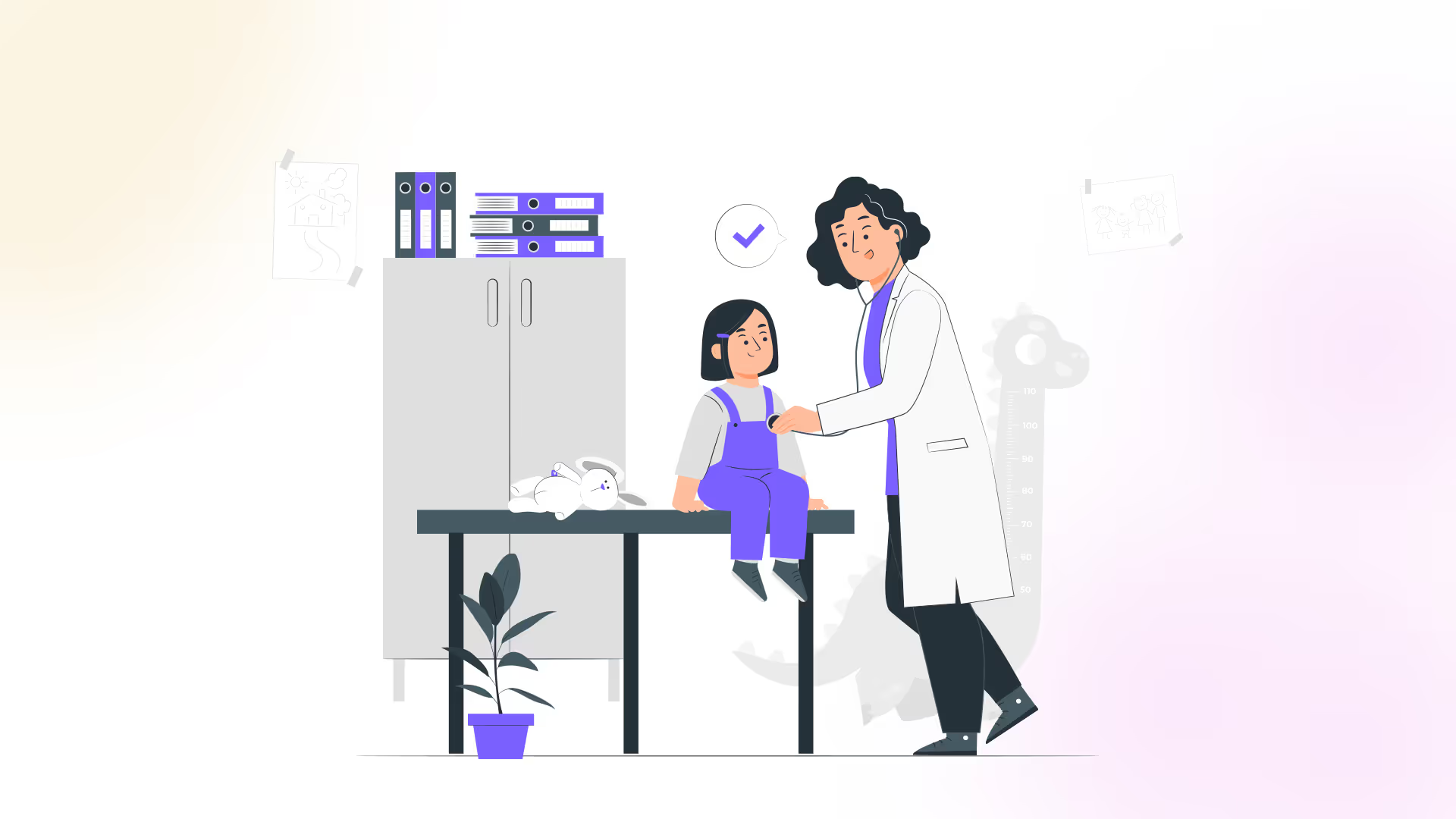
A pediatric primary care rotation is often a student’s first experience managing fast-paced patient visits with patients who cannot always explain what they feel. Your days may include well-child visits, same-day sick appointments, immunizations, school or sports physicals, and conversations with caregivers who are understandably worried. Pediatric rotations take place in a variety of clinical settings, including hospitals, specialty practices, and acute care settings, and students may rotate through different clinical sites as part of their clinical rotations and NP clinical rotations.
What makes pediatrics unique is that you are caring for both the child and the family. Clinical decisions often involve reassurance, education, and trust-building just as much as diagnosis and treatment. Nurse practitioner students in pediatric rotations focus on delivering comprehensive, family-centered care, with learning objectives that emphasize evidence-based practice, developmental monitoring, and collaborative care. These clinical rotations provide hands-on, supervised clinical practice, where preceptors play a crucial role in providing supervision, guidance, and feedback during patient visits and clinical hours.
During pediatric rotations, comprehensive assessments are essential, including performing age-appropriate physical exams, developmental screenings, and gathering detailed health histories for patients from infancy through adolescence. Routine well-child checkups include monitoring growth milestones and administering CDC-recommended immunizations. In addition to primary care, students gain experience in chronic disease management and acute care, especially in specialty practices or hospitals, further supporting the child's health and development.
For many NP students, the rotation feels intense not because it is impossible, but because it is unfamiliar. Knowing what to expect ahead of time helps reduce that initial overwhelm.
Common Challenges NP Students Face in Pediatric Rotations
Most students struggle in similar ways, regardless of background or GPA. These challenges are normal and do not reflect your ability to become a strong pediatric NP. In fact, NP students often face unique challenges during pediatric rotations that test their adaptability, communication skills, and emotional resilience. Students benefit from these experiences as they help develop critical skills, foster skill development, and build a solid understanding of pediatric care—essential for future practice.

Translating theory into real visits
Textbook knowledge teaches ideal presentations, but real children cry, resist exams, and show symptoms that are subtle or inconsistent. Learning to adapt your assessments in clinical practice takes time and repetition.
Practical outcome: You become more efficient and accurate with practice.
Emotional benefit: Confidence replaces self-doubt.
Pediatric rotations are where nurse practitioner students transition from theoretical learning to clinical practice.

Reading non-verbal patients
Infants and toddlers communicate through behavior, not words. It is critical to notice tone, movement, feeding changes, and caregiver observations.
Practical outcome: Stronger assessment skills.
Emotional benefit: Trust in your clinical judgment grows.

Managing caregiver anxiety
Parents often arrive stressed and seeking reassurance. Clear communication and maintaining professionalism are essential when interacting with anxious parents, as clear explanations and a calm presence matter as much as prescriptions.
Practical outcome: Better visit flow and fewer conflicts.
Emotional benefit: You feel grounded instead of pressured.
Managing anxious parents is a delicate aspect of pediatric care, requiring NP students to master clear communication and empathetic listening.
Access to Care: Breaking Down Barriers for Pediatric Patients
While pediatric primary care has made significant strides, many children and families still face obstacles in accessing the care they need. Barriers such as lack of insurance, limited provider availability, and cultural or language differences can prevent families from receiving timely and effective health services. Pediatric primary care providers are actively working to overcome these challenges by expanding office hours, offering telehealth appointments, and developing community outreach programs that bring care closer to where families live and work.
Cultural competence and language accessibility are essential components of high-quality pediatric primary care. Providers are committed to delivering care that respects and responds to the diverse backgrounds of their patients, ensuring that every family feels understood and supported. By partnering with community organizations and advocacy groups, pediatric primary care teams can identify and address systemic barriers, helping to create a more equitable health system. These efforts are crucial for improving access to care, promoting better health outcomes, and ensuring that all children have the opportunity to thrive.
Inclusive Care: Embracing Diversity in Pediatric Practice
In today’s diverse society, pediatric primary care providers are dedicated to creating an inclusive and welcoming environment for every child and family. This commitment means recognizing and respecting the unique needs of all communities, children with disabilities, and those from a wide range of cultural and linguistic backgrounds. By fostering a culture of inclusivity, pediatric primary care teams build trust, improve communication, and ensure that all patients receive the highest quality care.
Providers are also focused on addressing health disparities and promoting health equity through targeted interventions and community-based initiatives. By understanding the specific challenges faced by different populations, pediatric primary care professionals can tailor their services to better meet the needs of each child. This approach not only enhances individual health outcomes but also contributes to a more just and equitable health care system for all. Through ongoing education, advocacy, and community engagement, pediatric primary care providers remain committed to serving every child with compassion, respect, and expertise.
Community-Based Care: Connecting with Families Beyond the Clinic
Pediatric primary care extends far beyond the walls of the clinic, reaching into the heart of communities to support children’s health and development. Community-based care initiatives, such as home visiting programs and school-based health services, make it easier for families to access essential care in familiar and convenient settings. These programs provide valuable support, from health education and developmental screenings to acute care and chronic disease management, ensuring that children receive the services they need where they need them most.
By partnering with local organizations, schools, and agencies, pediatric primary care providers can address social determinants of health, connect families to community resources, and promote health education. This collaborative approach helps build strong relationships between providers and families, fostering trust and encouraging active participation in a child’s health journey. Community-based care not only improves access to services but also creates a more comprehensive and sustainable system for promoting the well-being and development of children and families. Through these efforts, pediatric primary care providers are making a lasting impact on the health of entire communities.
Ready to apply these pediatric skills? Open your free NP Hub account to secure the preceptor you need for your next rotation.
About the Pediatric Primary Care Handbook (Optional Support)
Some students prefer having a single, reliable reference they can return to throughout their rotation.
The Pediatric Primary Care Handbook, written by Dr. Sandra Pagenta, was created for NP students who want practical guidance without clinical jargon overload. It focuses on what students are commonly expected to know and do during pediatric visits. This handbook helps pediatric nurse practitioners develop a solid understanding of pediatric care and supports skill development through hands-on experience during clinical rotations.
That's exactly why we created the Pediatric Primary Care Handbook.
The handbook covers:
- Age-appropriate histories and physical exams
- Growth and developmental red flags
- Common pediatric conditions seen in primary care
- Immunization conversations and preventive care
- Case presentation and documentation tips
Practical outcome: Faster adjustment to clinic expectations.
Emotional benefit: Reduced anxiety and more confidence walking into each day.
Using a guide is a choice, not a requirement. Many students simply appreciate knowing support exists if they need it.
The Pediatric Nursing Certification Board certifies more than 95% of all nationally certified pediatric nurse practitioners.
Final Takeaway
Pediatric rotations challenge you because they ask you to grow quickly, not because you are unprepared. Completing your pediatric rotation is a key step toward graduation and prepares you for independent practice as a nurse practitioner. With realistic expectations, thoughtful preparation, and support you choose for yourself, pediatrics can become one of the most meaningful parts of your NP training. Remember, successful navigation of a pediatric rotation relies on treating both the child and their anxious caregivers.
If you want to explore tools or placement support at your own pace, you can create a free NPHub account and decide what feels right for you. No pressure. Just options.
You are allowed to learn. You are allowed to choose. And you are allowed to feel supported while you do both.
By downloading this free guide, you're taking a proactive step towards enhancing your clinical skills and boosting your confidence in pediatric care.
Key Definitions
Pediatric Primary Care: Ongoing healthcare for infants, children, and adolescents focused on prevention, development, and treatment of common conditions.
Clinical Rotation: A supervised learning experience where NP students apply classroom knowledge to real patient care at a designated clinical site.
Clinical Site: The specific healthcare location, such as a hospital, outpatient clinic, or specialty practice, where nurse practitioner students complete their clinical rotations.
Preceptor: A licensed clinician who guides, supervises, mentors, and evaluates NP students during rotations, helping them develop clinical skills and confidence.
Clinical Hours: The required number of hands-on hours NP students must complete during clinical rotations, tracked and planned to meet program and certification requirements.
Clinical Practice: The practical application of nursing knowledge and skills in real-world healthcare settings, bridging theory with hands-on experience to build competence and confidence.
Acute Care: Clinical settings or situations where patients require immediate and intensive medical attention, such as hospitals or specialty practices managing higher acuity cases.
Specialty Practices: Healthcare environments focused on specific patient populations or conditions, such as pediatric, women's health, or acute care clinics, where NPs gain diverse experience during rotations.
Women's Health: This specialty addresses the unique healthcare needs of women, including reproductive, gynecological, and preventive care.
Well-Child Visit: A routine appointment focused on growth, development, preventive care, and caregiver education.
Anticipatory Guidance: Counseling provided to families about expected developmental changes and health needs.
Independent Practice: The ability of nurse practitioners to provide patient care autonomously, developed through clinical rotations and real-world experience.
Frequently Asked Questions
Is this guide useful if I haven’t started my pediatric rotation yet?Yes. Many students find it most helpful before the rotation begins, when uncertainty is highest. It's common for students to feel uncertain at the start of a rotation, especially when adjusting to a new environment or preceptor style. Learning new documentation systems and adapting to different workflows can also be challenging in the beginning.
Do I need extra resources to succeed in pediatrics?No. Some students thrive with preceptor guidance alone. Others feel calmer with additional structure. Both are valid. NAPNAP offers a community based on national and chapter membership benefits and opportunities for nurse practitioner students interested in pediatrics.
Is pediatric primary care mostly sick visits?No. Much of pediatrics focuses on prevention, growth monitoring, and family education.
What if I feel overwhelmed early in the rotation?That feeling is common and temporary. Confidence builds with exposure, feedback, and time. Many students feel uncertain at first, especially when connecting with new preceptors or adapting to different clinical settings.
Can I revisit resources later in practice?Yes. Many students keep references for future rotations or early practice. Clinical rotations help connect students to future practice and professional communities, supporting the transition into independent nurse practitioner roles.
Article details
- Last updated
December 26, 2025 - Fact-checked by
NPHub Clinical Placement Experts & Student Support Team - Sources and references
- Pediatric Clinic vs Family Doctor: Which Is Right for Your Child?
- Family-Centered Care in Pediatrics
- Pediatric Primary Health Care
- Pediatric Primary Care Overview
- https://go.nphub.com/pediatric-care-guide/
- https://www.jpeds.com/action/showPdf?pii=S0022-3476%2823%2900134-8
- https://copakids.com/child-healthcare-news/pediatric-clinic-vs-family-doctor-which-is-right-for-your-child/
Find a preceptor who cares with NPHub
Book a rotation.webp)
.jpeg)

.webp)


%20(3)%20(2).svg)
.webp)