
.png)



.webp)
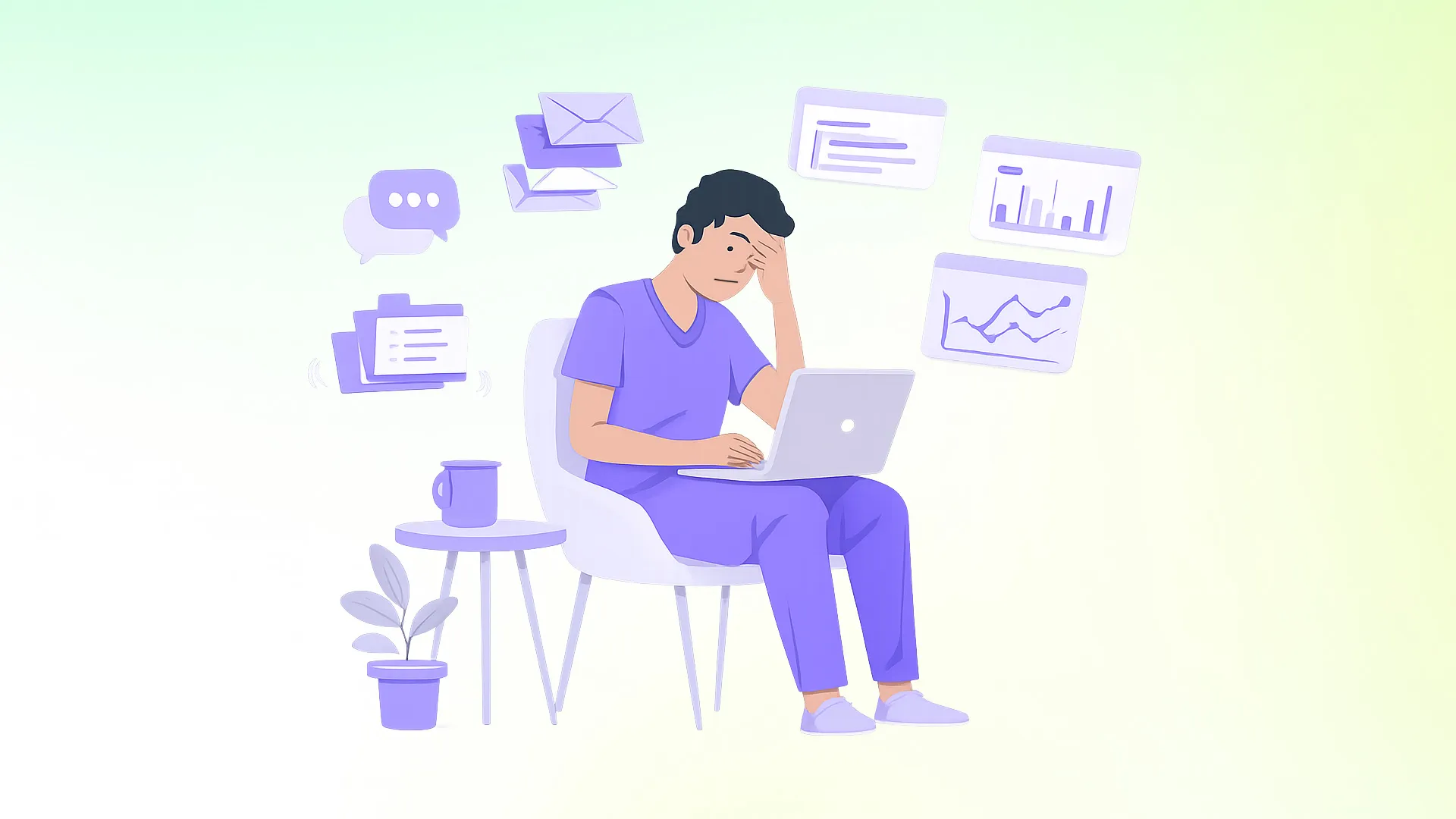
Nursing burnout often begins during nursing school and early clinical practice, not after graduation. Mental health challenges, heavy workloads, and limited control over clinical environments place many nurses at risk for poor mental health long before they enter full-time practice. Addressing burnout early through boundaries, support systems, and thoughtful planning is an essential component of nurse burnout prevention, protecting both nurse well-being and patient safety.
TL; DR - How NP Students Can Prevent Nursing Burnout Before It Starts
- Nursing burnout often starts during nursing school and NP training, not years into practice, especially when stress, uncertainty, and emotional load go unchecked.
- Early signs include emotional distancing, moral distress, constant urgency, and compassion fatigue, even when you still care deeply about patient outcomes.
- Burnout prevention works best when it starts early and combines individual coping skills, peer support, and healthier clinical environments.
- Where you train matters. Clinical placements shape your mental health, confidence, and long-term relationship with nursing.
- Many NP students reduce stress by planning ahead. A free account at NPHub gives you visibility into real preceptor options, so clinical placements don’t become another source of burnout pressure later.
Nursing Burnout Starts Earlier Than Most People Realize
Most people talk about nursing burnout like it shows up years down the road, after endless shifts and too many hard days in the healthcare field. But for many nurses and NP students, the first signs appear much earlier, often during nursing school or those first clinical rotations when everything still feels new and high-stakes.
The Stress That Slowly Becomes Normal
You tell yourself the stress is temporary. That overwhelming feeling is just part of becoming a good nurse. Long nights, disrupted sleep patterns, emotional cases, ethical dilemmas, and the constant pressure to prove yourself slowly become your everyday life.
Over time, that pressure can turn into mental health challenges, compassion fatigue, or a quiet sense of emotional exhaustion that's easy to ignore but hard to shake.
Why Early Burnout Is Easy to Miss
Many nurses struggle here without realizing what's happening. Poor mental health doesn't always look dramatic. Sometimes it shows up as feeling disconnected from patient care, dreading clinical days, or carrying stress home to family members without knowing how to explain it.
This is also when future worries start stacking up in the background, questions about clinical placements, timelines, and whether everything will fall into place, which is why NP students opt to create a free account at NPHub just to remove at least one struggle while they're already carrying so much.
Why Burnout That Starts in Training Follows You
These early experiences matter because research suggests burnout that starts during training doesn't disappear on its own. It often follows nurses into their careers, shaping how they experience the profession long after graduation.
Recognizing burnout early isn't about being weak or unprepared. It's about protecting your own health, your passion for nursing practice, and your ability to provide compassionate care long term. Addressing burnout before it takes hold supports nurse well-being, job satisfaction, and safer patient care, not just now, but throughout your nursing career.
Early Signs of Nursing Burnout NP Students Often Miss
Burnout rarely shows up as one dramatic moment. For most NP students, it develops quietly during training, while they’re still learning how to function in the healthcare field. Research suggests this early stage is actually one of the highest-risk periods for burnout, especially among younger healthcare professionals who are still forming their professional identity.
Some of the earliest warning signs are easy to overlook because they blend into everyday life.
Emotional distancing is often one of the first changes.
You still care about patient safety and outcomes, but you feel less connected to the work. Patient care starts to feel task-driven rather than relational. This isn’t a lack of compassion. It’s often an early mental health concern linked to emotional exhaustion and compassion fatigue.
Moral distress is another early driver that many NP students don’t have language for.
Moral distress happens when you know what good care should look like, but system constraints prevent you from delivering it. During training, this can show up as:
- Limited autonomy in clinical decision making
- Watching care you believe could be better but having no authority to change it
- High expectations paired with restricted responsibility
Over time, repeated moral distress wears down motivation and contributes directly to nursing burnout, even before independent practice begins. For NP students, this is also when the pressure of future logistics starts creeping in, things like clinical placements and timelines, which is why many quietly keep a free NPHub account in the background just so one part of the process feels a little more predictable.
Constant urgency becomes the background noise of daily life.
No matter how organized you are, it feels like you’re always behind. There’s always another clinical requirement, another assignment, another evaluation. This ongoing pressure is strongly associated with mental health challenges, poor sleep patterns, and coping strategies that don’t actually restore well being.
Compassion fatigue can start earlier than most people expect.
NP students are often placed in emotionally demanding settings, working with high-acuity patients, older adults, or individuals with serious mental illness, substance use disorders, or complex family dynamics. Repeated exposure to patient trauma without structured emotional support increases the risk of compassion fatigue, which can feel like numbness, irritability, or emotional shutdown.
Organizational culture plays a larger role than individual resilience.
Training environments that lack emotional support, empathy, or responsiveness can normalize burnout as “just part of nursing.” When leadership models stress, detachment, or silence around mental health concerns, students may internalize the idea that struggling is expected and something they have to manage alone.
These early signs matter because burnout that begins during training often carries into long-term nursing practice. Paying attention now isn’t about labeling yourself or overreacting. It’s about protecting your own mental health early, so your passion for patient care has room to grow instead of slowly wearing down.
How Nursing Burnout Can Be Prevented Before It Takes Hold
Burnout is not a personal weakness or a lack of resilience. It is a response to prolonged stress, unmet emotional needs, and systems that demand more than they support. For many nurses, these conditions begin during nursing school and early clinical practice, long before they enter full-time roles as nurse practitioners or advanced providers.
The good news is that burnout is not inevitable. Nurse burnout prevention works best when it starts early and addresses multiple layers of stress at once and effective prevention happens at several levels.
Individual nurses can develop coping strategies that protect mental health and emotional balance. Peer and group support can reduce isolation and normalize struggle. Organizational systems can either increase burnout risk or actively promote emotionally healthy clinical environments.
What follows is not a checklist for perfection. It is a set of realistic, evidence-informed approaches that help NP students and future nurses protect their passion for patient care while navigating the demands of clinical training. Preventing burnout early protects your own health, supports compassionate care, and lays the foundation for a sustainable nursing career.
Individual Strategies to Prevent Nursing Burnout
Nursing burnout rarely begins with a crisis. Research suggests it develops gradually, often during nursing school and early clinical practice, when mental health challenges are already present but easy to dismiss. Many nurses struggle through this phase believing stress is temporary, unaware that early mental health concerns can shape their entire nursing career.
Burnout is not a single issue. It is a multi-causal mental health condition linked to prolonged exposure to occupational stress, emotional labor, ethical dilemmas, and role conflict.
Common early signs include emotional exhaustion, detachment from patient care, and a growing sense of reduced accomplishment. Left unaddressed, these patterns increase the risk of compassion fatigue, poor mental health, and long-term disengagement from the nursing profession.
- Protecting mental health starts with recognizing limits.
Individual nurses are often taught to push through exhaustion, but nurse burnout prevention depends on respecting boundaries around sleep patterns, workload, and emotional recovery. Chronic fatigue and disrupted sleep are associated with mental health disorders, decreased job satisfaction, and increased risk of adverse events that affect patient safety. - Evidence-based self care supports clinical performance.
Self care practices that promote mental health include mindfulness-based stress reduction, brief meditation, cognitive coping strategies, and intentional recovery after emotionally intense clinical days. These evidence based interventions are widely used across psychiatric nursing and mental health care because they support emotional regulation and reduce stress before it escalates into burnout. - Emotional awareness is a clinical skill.
Mental health awareness allows future nurses to identify early signs of distress such as irritability, emotional numbness, or moral distress. These are not weaknesses. They are signals that emotional support or mental health resources may be needed. Addressing burnout early supports nurse well being, protects own health, and preserves the ability to provide compassionate care. - Burnout prevention improves long-term outcomes.
When nurses prioritize coping skills, work life balance, and emotional recovery, they are more likely to remain emotionally healthy, engaged in clinical practice, and satisfied in their roles. Improved mental health among healthcare professionals is directly linked to better patient care, safer clinical environments, and stronger healthcare systems.
Individual strategies alone cannot fix systemic issues in the healthcare industry, but they are an essential component of addressing burnout early. They give nurses tools to protect their well being while navigating the demands of nursing practice, long before poor mental health becomes normalized. For many NP students, reducing uncertainty wherever possible, including around future clinical placements, becomes part of that self-protection, which is why some create a free NPHub account early just to stay grounded.
Group and Peer Support Strategies That Reduce Nursing Burnout
Burnout doesn’t just grow from workload. It grows in isolation. Research consistently shows that nurses struggle more when stress is carried alone, especially during nursing school and early clinical practice, when identity in the nursing profession is still forming.
NP students are often surrounded by people, yet still feel unsupported. Rotations change, teams shift, and relationships can feel temporary. Without strong peer connection, mental health challenges like anxiety, compassion fatigue, and moral distress are more likely to deepen instead of resolve.
- Shared experience reduces mental health stigma.
Talking openly with peers about stress, ethical dilemmas, and emotional strain helps normalize mental health concerns. When nurses hear that others are dealing with similar pressures, it reduces shame and supports mental health awareness. This is especially important in a healthcare field where poor mental health is often hidden to appear “strong.” - Peer support strengthens professional identity.
Group-based support helps future nurses move from self-doubt to confidence. Discussing clinical experiences, patient care challenges, and decision making reinforces that struggle is part of learning, not a sign of failure. Research suggests that this shared reflection improves job satisfaction and protects long-term nurse well being. - Team-based coping improves patient safety.
Strong peer communication supports safer clinical practice. Nurses who feel supported are more likely to speak up, ask questions, and address concerns early, which reduces adverse events and improves patient outcomes. Emotional support among healthcare professionals directly influences the quality of patient care. - Group learning builds healthier coping strategies.
Workshops, discussion groups, and peer-led reflection spaces help nurses develop coping skills that go beyond survival. Group mindfulness, communication training, and compassion fatigue prevention programs have been shown to reduce emotional exhaustion and promote emotionally healthy clinical environments. - Support systems matter as much as skill development.
Clinical knowledge alone doesn’t prevent burnout. Nurses who feel connected to peers are more resilient during high-pressure moments and more likely to sustain balance between work and everyday life. These relationships often become the foundation for long-term career satisfaction in nursing practice.
Burnout prevention is not something individual nurses should carry alone. Peer support transforms stress into shared understanding and helps future nurses stay connected to their purpose while navigating the realities of clinical training. Some students also find relief in planning ahead, and creating a free NPHub account can help make future clinical placements feel less uncertain during an already demanding time.
Organizational Strategies That Protect Mental Health and Prevent Nursing Burnout
Individual coping skills matter, but nursing burnout is not caused by individual nurses alone. Research consistently shows that organizational culture plays a major role in mental health outcomes for healthcare professionals. When systems ignore workload, emotional strain, and support needs, even the most resilient nurses struggle.
- Work environments shape mental health outcomes.
Healthcare organizations that prioritize productivity without protecting nurse well being increase the risk of poor mental health, compassion fatigue, and moral distress. High patient loads, unclear roles, and limited control over schedules contribute directly to emotional exhaustion and reduced job satisfaction. Over time, these conditions affect patient safety and care quality across clinical practice. - Supportive leadership reduces burnout risk.
Leadership styles rooted in empathy, visibility, and responsiveness are strongly associated with improved mental health and lower burnout rates. When nurses feel heard and supported, mental health concerns are more likely to be addressed early rather than hidden. Organizational support also helps reduce mental health stigma, making it safer for nurses to seek help without fear of judgment. - Access to mental health resources matters.
Employee assistance programs, counseling services, and structured emotional support are essential components of nurse burnout prevention. Organizations that actively promote mental health care and normalize its use see lower rates of emotional exhaustion and better retention of healthcare professionals, including nurse practitioners and future nurses. - Healthy systems protect patient safety.
Burnout is linked to adverse events, reduced attention, and breakdowns in communication. Organizations that invest in staffing stability, reasonable scheduling, and supportive workflows protect not only nurse well being but also patient care. Improved mental health among nurses is directly connected to safer, more compassionate clinical environments. - Training environments set expectations early.
NP students and nurses in clinical training absorb organizational norms quickly. When burnout is normalized during education, it becomes embedded in nursing practice. Conversely, training sites that model work life balance, emotional support, and ethical care establish healthier standards for the nursing profession as a whole.
Organizational strategies do not eliminate stress from healthcare, but they determine whether stress becomes sustainable or harmful. Waiting until placements are urgent limits choice, and many students find help with their own free NPHub account that lets them find and secure the correct preceptor they need so they’re not forced into environments that accelerate burnout. Systems that protect mental health, support nurses as whole people, and value compassionate care create conditions where nurses can thrive rather than simply endure.
How NP Students Can Choose Clinical Environments That Help Prevent Burnout?
For NP students, clinical placements are often treated as a requirement to get through rather than a choice that shapes long-term well being. But where you train has a direct impact on mental health, confidence, and how sustainable nursing practice feels over time.
- Pay attention to how stress is handled, not just how busy the site is.
Every clinical environment is demanding. What matters is whether pressure is acknowledged or ignored. Sites that support nurse well being encourage questions, allow space to learn, and address mistakes without shame. These signals reduce early burnout and protect mental health during training. - Watch how preceptors model care.
Preceptors set the tone for clinical practice. Their approach to patient care, communication, and boundaries teaches you what is considered acceptable in the nursing profession. Learning alongside clinicians who value compassionate care and realistic workloads makes a measurable difference in burnout risk.
This is where access matters. A free account at NPHub allows students to see real preceptor options across specialties and settings, making it easier to avoid placements that prioritize productivity over learning and mental health. Having visibility early gives you leverage instead of forcing last-minute decisions that increase stress.
- Look for supported autonomy, not isolation.
Independence without guidance leads to moral distress. Strong clinical environments balance autonomy with feedback, emotional support, and clear expectations. This helps future nurse practitioners build confidence without carrying unnecessary pressure alone. - Choose learning environments, not just available ones.
Clinical sites that protect teaching time, patient education, and reflection support improved mental health and better patient care. When education is valued, burnout is less likely to take root during training.
Clinical placements are not neutral experiences. They shape habits, expectations, and how nurses relate to their work. Choosing environments intentionally is one of the most effective ways NP students can protect their mental health and preserve their passion for care.
Burnout Prevention Is a Skill You Can Build
Burnout prevention isn’t about eliminating stress or finding a version of nursing that feels easy. Stress will always be part of patient care, clinical practice, and the healthcare field. What changes outcomes is whether nurses are supported in managing that stress or left to absorb it alone.
As an NP student, you are already developing habits that will follow you into your nursing career. How you respond to pressure, how much uncertainty you tolerate, and how often you put your own well being last all become patterns over time. Those patterns can either protect your mental health or slowly work against it.
The difference often comes down to structure and support. Nurses who stay engaged, emotionally healthy, and confident in their work are not doing more. They are operating in environments that respect learning, provide guidance, and do not treat exhaustion as a requirement. Training in the right settings helps preserve compassion, improve patient care, and sustain job satisfaction long after graduation.
Burnout prevention is not a single decision. It’s a series of smaller choices that reduce unnecessary strain before it accumulates. For many NP students, one of those choices is gaining clarity around clinical placements early and a free account at NPHub gives you visibility into real preceptor options so you are not forced into last-minute decisions that add stress to an already demanding process.
You don’t need to have everything figured out today. But you do deserve a path forward that protects your mental health, supports your growth, and allows you to build a nursing career that feels sustainable.
Taking steps now gives you more control later, and that control is one of the strongest buffers against burnout.
Frequently Asked Questions About Nursing Burnout Prevention
1. What is nursing burnout, and how does it develop?
Nursing burnout is a state of emotional exhaustion, detachment from patient care, and reduced sense of accomplishment caused by prolonged stress in the healthcare field. It often develops gradually through heavy workloads, emotional labor, ethical dilemmas, and lack of support.
2. Can nursing burnout begin during nursing school or NP training?
Yes. Research suggests burnout frequently begins during nursing school and early clinical practice. NP students experience many of the same stressors as practicing nurses, including role ambiguity, performance pressure, and emotional demands, which can trigger early mental health challenges.
3. How is burnout different from compassion fatigue?
Burnout is related to chronic workplace stress, while compassion fatigue is linked to repeated exposure to patient trauma. Many nurses experience both, especially in high-acuity or emotionally demanding settings. Both affect mental health and patient care if left unaddressed.
4. What are early signs of burnout NP students should watch for?
Early signs include emotional numbness, dread before clinical days, poor sleep patterns, irritability, difficulty concentrating, and feeling disconnected from patient care. These are mental health concerns, not personal shortcomings.
5. How does burnout affect patient safety and outcomes?
Burnout is associated with reduced focus, communication breakdowns, and increased risk of adverse events. Improved mental health among nurses supports safer clinical practice, better patient outcomes, and more compassionate care.
6. Can self care alone prevent nursing burnout?
Self care is an essential component of nurse burnout prevention, but it is not sufficient on its own. Evidence shows prevention is most effective when individual coping strategies are combined with peer support and healthy organizational environments.
7. Why do clinical environments matter so much for burnout prevention?
Clinical environments shape expectations around workload, boundaries, and emotional support. Training in unsupportive settings can normalize poor mental health, while supportive environments protect nurse well being and long-term job satisfaction.
8. How can NP students reduce burnout risk before graduation?
NP students can reduce burnout risk by recognizing early signs, building support systems, protecting sleep and boundaries, and being intentional about clinical placements. Planning ahead reduces uncertainty and stress during training.
9. Is burnout considered a mental illness?
Burnout itself is not classified as a mental illness, but it is closely linked to mental health disorders such as anxiety, depression, and post traumatic stress disorder. Addressing burnout early supports overall mental health care.
10. What role do organizations play in preventing nursing burnout?
Organizations influence burnout through staffing, leadership style, access to mental health resources, and workplace culture. Systems that prioritize nurse well being and emotional support see improved outcomes for both nurses and patients.
Key Terms & Definitions
- Nursing Burnout
A condition marked by emotional exhaustion, depersonalization, and reduced professional fulfillment resulting from prolonged occupational stress in nursing practice. - Mental Health
A state of emotional, psychological, and social well being that affects how nurses cope with stress, relate to others, and perform in clinical practice. - Compassion Fatigue
Physical and emotional exhaustion caused by repeated exposure to patient suffering or trauma, commonly experienced by nurses in high-acuity or psychiatric care settings. - Nurse Well Being
The overall physical, emotional, and mental health of nurses, essential for sustaining compassionate care, job satisfaction, and patient safety. - Moral Distress
Psychological distress that occurs when nurses are unable to act according to their professional values due to system constraints or ethical dilemmas. - Burnout Prevention
Strategies at the individual, group, and organizational levels designed to reduce stress, promote mental health, and prevent long-term disengagement from the nursing profession. - Clinical Environment
The healthcare setting in which nurses train or practice, including its culture, leadership, workload expectations, and support systems, all of which influence burnout risk.
Article details
- Last updated
June 17, 2026 - Fact-checked by
NPHub Clinical Placement Experts & Student Support Team - Sources and references
Find a preceptor who cares with NPHub
Book a rotation.webp)
.jpeg)

.webp)
.jpeg)


%20(3)%20(2).svg)
.webp)