
.png)



.webp)
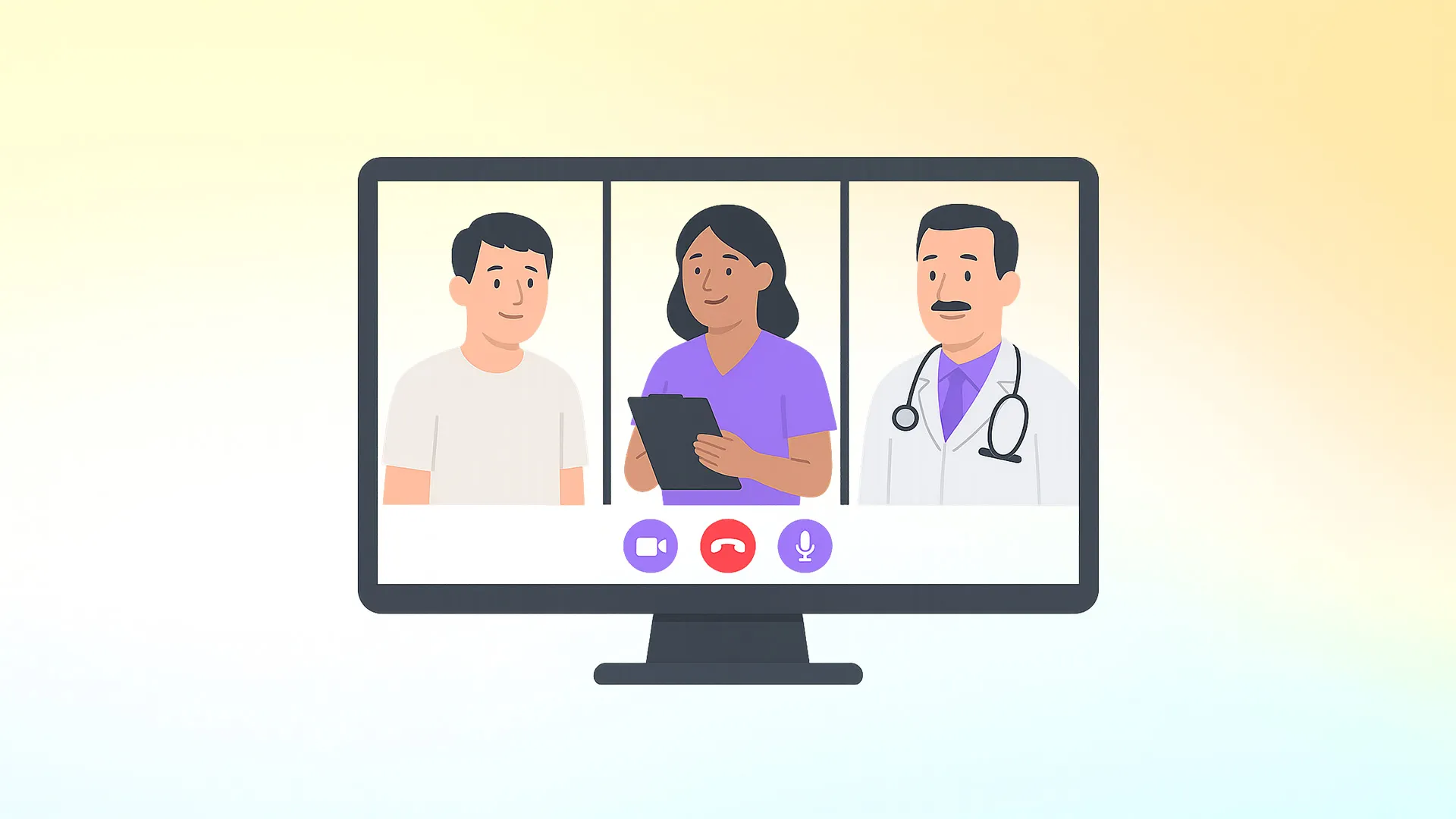
NP students can complete telehealth clinical rotations when their NP program and clinical sites approve the experience, and many schools now allow these hours as part of modern healthcare delivery. Telehealth clinical rotations give nurse practitioner students real time patient interaction, virtual consultations, and supervised remote assessment that count toward clinical experience.
TL;DR - Can NP Students Do Telehealth Rotations Guide to Nurse Practitioner Telehealth Training
- Yes, NP students can complete telehealth clinical rotations when their NP program and clinical site approve them, and many schools now count telehealth hours toward graduation.
- Telehealth clinicals help nurse practitioner students build real clinical skills through virtual visits, digital documentation, secure telehealth platforms, and remote assessment.
- These rotations prepare you for modern healthcare delivery, including primary care, mental health, chronic disease management, and patient education through virtual care.
- Telehealth requires stronger communication and sharper diagnostic reasoning, giving NP students valuable experience for both in person care and virtual care.
- If you need a vetted telehealth preceptor who meets your program requirements, create your free NPHub account to explore available telehealth clinical placements in your area.
Why NP Students Are Turning to Telehealth Clinicals
Telehealth clinical rotations matter because virtual care has become a core part of how healthcare providers deliver patient centered care in primary care, mental health, and chronic disease management. Many schools now expect nurse practitioner students to understand secure telehealth platforms, virtual visits, digital documentation, and the communication skills needed for modern healthcare delivery.
NP students are feeling the pressure to adapt quickly. Between coursework, full time jobs, and family responsibilities, finding clinical placements that support this shift can feel overwhelming. Telehealth experience gives students a practical way to learn patient care through real time patient interaction without losing momentum in their NP program.
Family nurse practitioner students and other nurse practitioner NP students often rely on telehealth clinicals to stay on track during tight semesters. These rotations also prepare students for clinical practice that increasingly depends on virtual care, mobile apps, and remote assessment tools. If you want to explore which telehealth clinical sites are already vetted for your NP program, you can create a free NPHub account and compare options without any obligation.
This guide explains what telehealth clinical rotations look like, how students prepare for them, and why they support the future of nurse practitioner telehealth training. The next section covers whether NP students can complete a telehealth rotation and what approval usually involves.
Can NP Students Do Telehealth Rotations?
NP students can complete a telehealth rotation when their NP program and clinical sites approve it, and many schools now accept telehealth hours as part of modern nurse practitioner telehealth training.
The possibility is real, although the structure depends on school policy, state regulations, and the type of clinical practice you are preparing for.
Programs approach telehealth clinical rotations in different ways:
- Some place nurse practitioner students directly into telehealth settings where they observe virtual consultations, follow patient care through real time patient interaction, or help preceptors survey which patient populations are served and what technologies support telehealth services. These experiences often expose NP students to secure telehealth platforms, common barriers in virtual care, and the steps healthcare providers take to overcome those barriers.
- Other schools offer hybrid experiences. A student might spend part of the day in an ambulatory or acute care site and then conduct virtual visits from the college or health system. These rotations can include patient histories, reviews of systems, and physical exam support using digital tools like examination cameras, digital stethoscopes, or otoscopes. This gives nurse practitioner NP students a deeper look at telehealth settings while still completing supervised clinical experience that counts toward their telehealth hours.
- Some programs focus on provider to provider telehealth encounters. These projects help students learn how to plan telehealth services for population needs, understand wearable devices, and explore unfamiliar technology that supports modern healthcare delivery. These models help NP students build clinical skills while learning to communicate effectively across different teams.
Even with these options, many schools struggle to offer enough telehealth clinical placements. Limited resources, scheduling issues, and unpredictable telehealth visit volumes can make it difficult for students to secure reliable clinical sites on their own.
If you want to check which preceptors already offer approved telehealth rotations that align with your NP program, go ahead and create a free NPHub account to explore available placements before deadlines become tight.
Now that you know telehealth rotations are possible and understand why approval varies, the next section walks you through what a telehealth clinical rotation actually looks like and how to prepare to log in with confidence.
What To Expect In a Telehealth Clinical Rotation
Telehealth clinical rotations have become a regular part of NP education, and they give nurse practitioner students a practical way to learn patient care through virtual visits, secure telehealth platforms, and real time patient interaction.
These rotations feel different from a traditional clinic day, but the expectations for clinical skills, communication, and professionalism stay the same. Many NP students discover how valuable telehealth hours can be once they begin seeing primary care, mental health, and chronic disease management visits through virtual care.
A Virtual Workflow That Still Feels Clinical
Telehealth rotations can take several forms depending on the clinical sites involved. Some students follow a schedule that blends in person care with virtual care. Others complete their entire rotation inside a telehealth environment and conduct virtual consultations with patients across different settings, including underserved areas. This gives nurse practitioner NP students exposure to a level of digital workflow that reflects modern patient care.
A typical day involves logging into secure telehealth platforms, reviewing the electronic health record, and using secure messaging with your preceptor. This mirrors what telehealth companies use for daily clinical practice.
Many NP programs expect students to demonstrate confidence with these systems early in the semester. If you want a straightforward way to see which telehealth clinical sites are already vetted and ready for students, take a minute to create your free NPHub account and look through the preceptors currently accepting NP students.
Remote Assessment and Communication Skills
Telehealth clinical rotations require a more intentional approach to remote assessment. You guide patients through simple exam steps, review data from wearable devices, and structure your questions carefully. Students learn patient care by relying on observation, tone, and well-formed history taking. This helps nurse practitioner NP students build sharper diagnostic reasoning and more focused organization, especially during chronic disease management visits.
Some programs introduce telehealth peripherals such as digital stethoscopes or exam cameras. Others focus on patient reported data like blood pressure readings or symptom logs. In both settings, your ability to communicate effectively becomes essential.
Webside Manner and First Impressions
Your virtual presence shapes every patient interaction. Patients notice your lighting, setup, posture, and tone the moment the virtual visit begins. Telehealth required stronger communication long before NP students realized how different it feels to greet a patient through video conferencing.
You will practice clear introductions, intentional pauses, careful eye contact, and a steady pace to help patients feel comfortable and understood. Preceptors pay close attention to this. They may coach you on the small adjustments that improve webside manner inside telehealth settings.
Documentation Inside the Electronic Health Record
Telehealth visits rely on accurate digital documentation. You document the encounter type, patient location, consent, and any technology issues that affect care. These details support quality assurance and ensure that telehealth services meet compliance standards. Strong notes show focused organization and clear clinical thinking, which are essential in both virtual care and in person care.
Students who get consistent practice with electronic health record documentation progress faster in telehealth clinical rotations.
Team Communication and Follow Through
Telehealth teams are often spread across different locations, which means communication becomes part of your clinical experience. You may collaborate with RNs, mental health providers, or social workers through secure messaging.
You might support patient education, arrange labs, or follow up on medication questions. These tasks help nurse practitioner NP students learn how virtual care fits into modern healthcare delivery.
Students who handle communication well tend to thrive in telehealth clinical practice. If you want to work with preceptors who reinforce these skills and offer consistent guidance, open your free NPHub account today and check the telehealth clinical placements that are still available for your upcoming term.
How To Prepare For a Telehealth Rotation
Preparing for a telehealth rotation sets the foundation for strong patient care during virtual visits. Nurse practitioner students step into a setting where communication, technology, and focused organization all matter.
A bit of preparation helps NP students start their telehealth clinical rotations with confidence.
Set Up the Right Technology Before Your First Day
A telehealth rotation depends on a reliable computer, clear audio, a working camera, and high speed internet that can support video conferencing. Test your setup early so you feel steady when your first virtual visit begins.
Most clinical sites use several systems such as secure telehealth platforms, electronic health record software, and secure messaging tools. If you want a rotation that already offers a clear onboarding process for these systems, go ahead and open your free NPHub account to see which telehealth placements are ready for NP students right now.
Strengthen Your Verbal Assessment Skills
Remote assessment changes the way students learn patient care. Without a hands on physical exam, nurse practitioner NP students rely on well-structured questions, visual cues, and patient reporting. Practicing focused history taking helps you collect accurate information during virtual visits. This is especially useful in chronic disease management and mental health visits where clear communication guides safe decision making.
Build Comfort With Telehealth Etiquette
Telehealth etiquette includes lighting, posture, background, and eye contact with the camera. These subtle choices influence patient comfort and help you communicate effectively. Many students underestimate how much this affects patient centered care until they begin their first telehealth clinical rotation.
Know Your Program’s Telehealth Expectations
NP programs vary in how they count telehealth hours and how they structure hybrid clinical rotations. Clarify your school’s requirements early so you understand what counts toward your clinical experience and what your preceptor must document.
Once you understand how to prepare, the next step is recognizing the value telehealth clinical rotations bring to your clinical skills and your overall NP education. If securing a vetted preceptor is on your to-do list, create your free NPHub account and review the telehealth placements available for your upcoming term.
How To Make the Most of Your Telehealth Rotation
Telehealth clinical rotations give nurse practitioner students a chance to grow quickly. The virtual setting highlights your strengths and helps you build clinical skills that support both in person care and virtual care. A focused, intentional approach turns each telehealth visit into a real learning opportunity.
Key Habits That Help NP Students Succeed
Stay fully engaged during each virtual visit
• Maintain steady attention while the patient speaks
• Use clear, structured questions to guide your remote assessment
• Show active listening through eye contact with the camera and verbal acknowledgment
• Strong engagement helps patients feel supported during mental health and chronic disease management visits
Ask for feedback from your preceptor
• Request guidance after encounters so you can adjust quickly
• Ask specific questions about your communication, documentation, and patient education
• Use feedback to strengthen clinical skills across different telehealth settings
Reflect after each clinical encounter
• Write down what worked and what felt unclear
• Notice patterns in symptoms, communication, and remote assessment
• Use reflection to improve your documentation inside the electronic health record
• These habits help you grow faster and organize your clinical reasoning
Stay consistent with patient education
• Explain home monitoring steps clearly
• Review medications and lifestyle changes in a simple, focused way
• Guide patients through telehealth platforms if they are unfamiliar
• These skills support patient centered care and improve access across underserved areas
Build habits that match modern healthcare delivery
• Practice efficient charting to support quality assurance
• Follow up through secure messaging with the care team
• Adapt to different telehealth platforms, mobile apps, and wearable devices
• This prepares nurse practitioner NP students for clinical practice in an evolving healthcare landscape
Ready to secure a preceptor who supports your goals and offers real telehealth experience? Create your free NPHub account and find available telehealth placements in over 10 specialties in your area before they close for the term.
What This Means for Your NP Journey
Telehealth clinical rotations are a valid and valuable option for NP students. Many programs now approve telehealth hours, and these rotations give nurse practitioner students practical experience with virtual care, secure telehealth platforms, digital documentation, and remote assessment. If your goal is to feel prepared for modern healthcare delivery, telehealth experience helps you step into clinical practice with more confidence.
The challenge comes down to finding a site that is prepared to teach these skills. Many NP students face limited support from their schools, unpredictable responses from clinics, and a preceptor shortage that makes it difficult to secure placements on time. A reliable telehealth rotation eliminates that stress and allows you to focus on patient care instead of searching endlessly for someone willing to precept.
NPHub supports NP students by offering benefits that directly address these obstacles:
- Vetted preceptors who already teach telehealth
You connect with preceptors and healthcare providers who use virtual consultations, secure messaging, and remote assessment every day. This means you receive real telehealth experience, not shadow-only hours. - Preceptors who understand NP program requirements
Every placement is reviewed to ensure it aligns with your specialty, your state expectations, and your school’s telehealth hour guidelines. This reduces the risk of last-minute rejections or delays. - Faster placement timelines
Most students secure their clinical placements significantly faster through NPHub. This is essential when your deadlines are close and your program requires proof of a confirmed site. - Support from start to finish
You are not left to figure out onboarding, paperwork, evaluations, or communication with your preceptor. The NPHub team guides you through each step so you can stay focused on patient care and coursework. - Options across multiple specialties
Students looking for primary care, women’s health, mental health, or chronic disease management can find telehealth clinical placements that fit their goals. - A free account with no obligation
You can browse available clinical sites, compare telehealth rotations, and see real placement details without any commitment.
If you are ready to move forward and secure a telehealth rotation that fits your NP program, go ahead and open your free NPHub account and secure telehealth preceptors who are prepared to teach, support, and guide you through a complete telehealth clinical rotations.
FAQ: Telehealth Clinical Rotations for NP Students
1. Do telehealth clinical rotations count toward NP program requirements?
Telehealth clinical rotations can count toward your required clinical hours if your NP program approves them. Many schools recognize telehealth as a legitimate form of modern patient care, especially when supervised by a qualified preceptor. Always confirm your school’s criteria before you begin.
2. What types of patients do NP students typically see during telehealth rotations?
Most telehealth clinical sites include primary care follow ups, mental health visits, chronic disease management, medication checks, and patient education sessions. These encounters help NP students build communication and clinical reasoning skills across diverse patient needs.
3. Will I still get clinical experience during a telehealth rotation?
Telehealth focuses more on remote assessment, structured history taking, and patient reported data. While tactile skills are limited, students gain sharper diagnostic reasoning, stronger communication, and better organization. Many schools encourage hybrid models that combine in person care with virtual care.
4. What technology do I need for a telehealth clinical rotation?
Students need a reliable computer, a working webcam and microphone, and high speed internet that supports video conferencing. Most clinical sites use secure telehealth platforms, the electronic health record, and secure messaging tools.
5. How do preceptors supervise NP students during telehealth visits?
Preceptors may observe live, join at key points, or review the visit afterward using notes and secure communication tools. Many offer direct feedback to help nurse practitioner students improve their communication and assessment skills.
6. Are telehealth rotations easier than in person clinical rotations?
Telehealth rotations are not easier. They simply shift your focus. You rely more on structured communication, remote assessment, and digital documentation. These skills prepare you for modern healthcare delivery and support patient centered care in virtual settings.
7. What specialties offer telehealth clinical rotations?
Primary care, mental health, women’s health, chronic disease management, urgent care follow ups, and patient education are common telehealth options. Availability depends on your state and your NP program.
8. How do telehealth rotations help with my future clinical practice?
Telehealth experience helps nurse practitioner students learn patient care using digital tools, wearable devices, remote monitoring, and secure telehealth platforms. These skills match the direction healthcare providers are moving in, especially as virtual care expands.
9. What should I expect to document during a telehealth visit?
Students document the encounter type, patient location, provider location, consent, and any technology issues. Clear digital documentation supports quality assurance and helps students strengthen their clinical reasoning.
10. How do I find a telehealth preceptor or telehealth clinical site?
Many NP programs offer limited support for telehealth placements, which leaves students searching on their own. Online communities help, but availability is unpredictable and the preceptor shortage adds pressure.
Key Terms and Definitions
- Telehealth Clinical Rotation
A supervised clinical placement where nurse practitioner students provide patient care through virtual visits, secure telehealth platforms, and remote assessment under a qualified preceptor. - Virtual Visit
A scheduled video or phone appointment that allows NP students and healthcare providers to deliver modern patient care without meeting in person. - Secure Telehealth Platforms
HIPAA-compliant software used to conduct virtual consultations. Examples include Zoom for Healthcare, Doxy.me, and Microsoft Teams with healthcare security settings. - Electronic Health Record (EHR)
The digital system NP students use to document patient encounters, review medical histories, update treatment plans, and communicate with the care team. - Remote Assessment
A virtual evaluation where students guide patients through history taking, symptom review, and simple exam steps that rely on patient reporting and observation. - Patient Education
Information provided during telehealth visits to help patients understand their medications, health conditions, home monitoring tools, lifestyle changes, and next steps. - Remote Patient Monitoring (RPM)
The use of wearable devices, mobile apps, and home tools such as blood pressure cuffs or glucometers to collect patient data between visits. - Asynchronous Care
Communication that does not happen in real time, such as secure messages through the patient portal or follow up notes sent after a virtual visit. - Synchronous Care
Live communication between the NP student and patient using video or phone, often used for primary care, mental health, and chronic disease management visits. - Telehealth Services
A broad term that includes virtual visits, secure messaging, remote monitoring, patient education, and online follow up provided through digital tools and telehealth companies. - Webside Manner
The professional presence NP students use in telehealth settings, including eye contact with the camera, tone of voice, posture, and overall communication style.
Article details
- Last updated
December 1, 2025 - Fact-checked by
NPHub Clinical Placement Experts & Student Support Team - Sources and references
- https://pmc.ncbi.nlm.nih.gov/articles/PMC5498674/pdf/amep-8-399.pdf
- https://www.thesuccessfulmatch.com/post/how-to-succeed-in-your-telemedicine-rotation
- https://momentmd.com/3-reasons-why-telehealth-should-be-part-of-every-clinical-rotation/
- https://www.nphub.com/np-student-coordinators
- https://www.nphub.com/how-it-works
Find a preceptor who cares with NPHub
Book a rotation.webp)

.webp)
.jpeg)
.jpeg)

%20(3)%20(2).svg)
.webp)